
Central Pain Syndrome (CPS): Symptoms & Treatment
 Central pain syndrome (CPS) is chronic pain caused by damage to or dysfunction of the central nervous system, which is made up of the brain, brainstem, and spinal cord. Because the pain comes from the injured nervous system itself, it can continue long after a stroke, spinal cord injury, or illness, according to a federal health overview of the condition from the National Institute of Neurological Disorders and Stroke (NINDS).
At Pain & Spine Physicians of San Antonio, our providers treat complex pain conditions with individualized, multi-modal care plans, and we never turn down the opportunity to treat a patient. Call [phonenumber] or contact us to schedule an evaluation.
What Are the Symptoms of Central Pain Syndrome?
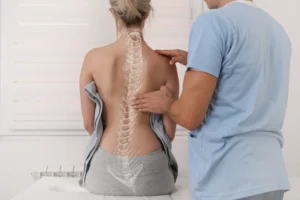 The main symptom is pain that is typically constant and can be moderate to severe. People describe burning, a “pins and needles” feeling, pressing or aching pain, or brief bursts of sharp pain, and some notice numbness in the same area.
Touch, movement, emotions, and temperature changes, especially cold, can make it worse.
A clinical review of central pain syndrome describes two signs that often come with this kind of nerve-driven pain:
- Allodynia: Pain from something that should not hurt, such as light touch or clothing against the skin.
- Hyperalgesia: A stronger reaction than expected to something that is only mildly painful.
What Causes Central Pain Syndrome?
NINDS lists several conditions that can lead to CPS:
- Stroke
- Multiple sclerosis
- Brain or spinal cord trauma
- Tumors
- Epilepsy
- Parkinson’s disease
The pain often begins soon after the damage that caused it. It can also appear months or even years later, especially after a stroke.
How Is Central Pain Syndrome Diagnosed?
CPS is diagnosed mainly through your history and a physical exam, because routine lab tests usually come back normal. The clinical review notes that symptoms must last at least three months and that other possible causes, such as a nerve injury outside the brain and spinal cord or a structural problem, need to be ruled out first.
For that reason, an evaluation may include tests such as magnetic resonance imaging, X-rays, or blood work, which help exclude those other causes rather than confirm CPS itself. When your pain involves the back or neck, our spine-focused evaluations look at the discs, joints, nerves, and surrounding soft tissue together.
How Is Central Pain Syndrome Treated?
Treatment usually combines several approaches:
- Nerve-targeting medicines: The review reports strong evidence for certain antidepressants, such as amitriptyline and duloxetine, and anti-seizure medicines, such as gabapentin and pregabalin. Nonsteroidal anti-inflammatory drugs and opioids are typically ineffective for this kind of pain.
- Cognitive behavioral therapy: A structured form of talk therapy that the review calls the foundation of CPS management. NINDS adds that lowering stress also appears to reduce pain.
- Physical therapy: Stretching, massage, and transcutaneous electrical nerve stimulation, which sends a mild electrical current through the skin and should be avoided during pregnancy. Our in-house physical therapy partner, Therapy Associates of San Antonio, works in the same building as our providers, so therapy is easier to fit into your care plan.
- Neuromodulation: Devices that use electrical or magnetic pulses to change pain signaling. Strong evidence supports neuromodulation for chronic pain, and the review names deep brain stimulation and motor cortex stimulation as options for central pain and other hard-to-treat pain. We offer spinal cord stimulation, another form of neuromodulation used for nerve-related pain that has not responded to other treatments, and can talk with you about whether it fits your care.
It helps to know what to expect. NINDS notes that pain medicines often provide some, but not complete, relief, and the review reports that once CPS is established, symptoms are often persistent and do not fully resolve. Treatment is adjusted over time, with the goal of relieving pain and improving your quality of life.
Get Help for Central Pain Syndrome in San Antonio
Pain that outlasts the injury that caused it can be exhausting, especially when ordinary painkillers have not helped. If burning or aching pain has lasted three months or longer after a stroke, injury, or nervous system illness, Pain & Spine Physicians of San Antonio can evaluate your symptoms and build a plan around them. A list of the medicines you have already tried helps shape the next step. To schedule an appointment for central pain syndrome care, call [phonenumber] or reach out online today.
Educational Videos
Click On The Links Below To Watch Educational Videos


Book An Appointment
Fields Marked With An ” *” Are Required
1804 NE Interstate 410 Loop Ste 101
San Antonio, TX 78217
*This Site Follows The Standards And Practices Of HIPAA Compliance Laws*

© Copyright 2026 Pain & Spine Physicians of San Antonio. All rights reserved.
