
Lower Extremity Pain Doctor in San Antonio
 At Pain & Spine Physicians of San Antonio, we understand that lower extremity pain can disrupt your life and restrict your everyday activities. We specialize in diagnosing and treating a wide range of lower extremity pain conditions, offering tailored solutions that address your unique needs. Our goal is to enhance your quality of life by providing effective treatment plans that alleviate pain and restore mobility.
Don’t let lower extremity pain hold you back any longer. Our dedicated team is ready to assist you on your journey to recovery and improved well-being. Let us help you take the first step towards a pain-free life.
Contact Pain & Spine Physicians of San Antonio today at 210-634-1232 to schedule a consultation.
What are Lower Extremity Pain Conditions?

Lower extremity pain conditions refer to various health issues that can affect the bones, joints, muscles, nerves, or blood vessels in the lower part of the body.
This type of pain can be caused by numerous factors, including:
- Arthritis
- Injuries
- Infections
- Problems with Blood Flow
It is not uncommon for pain to be referred from spinal issues, leading to discomfort in the legs and feet.
Common symptoms associated with lower extremity pain include discomfort, cramping, and swelling. Severe foot pain can significantly limit mobility and may lead to compensatory walking patterns that increase the risk of arthritis in other joints.
Chronic knee pain, often resulting from injuries or surgeries, can further complicate movement and potentially lead to additional issues like arthritis. Similarly, hip pain, frequently caused by osteoarthritis, can lead to inflammation and discomfort, affecting daily activities.
Common Causes of Lower Extremity Pain
Leg pain and lower extremity pain can arise from a variety of causes, ranging from acute injuries to chronic health conditions:
- Injuries and overuse
- Muscle cramps, often resulting from excessive exercise
- Poor blood flow, as seen in conditions like deep vein thrombosis (DVT), which can lead to throbbing pain and swelling in the legs
- Nerve issues, such as those caused by meralgia paresthetica, can lead to pain, burning, or numbness in the upper thigh.
- Chronic conditions like diabetes and arthritis are significant contributors to ongoing lower extremity pain. These conditions can lead to a variety of symptoms, including discomfort, cramping, and swelling, that affect the lower legs, feet, and hips.
Peripheral Artery Disease (PAD)
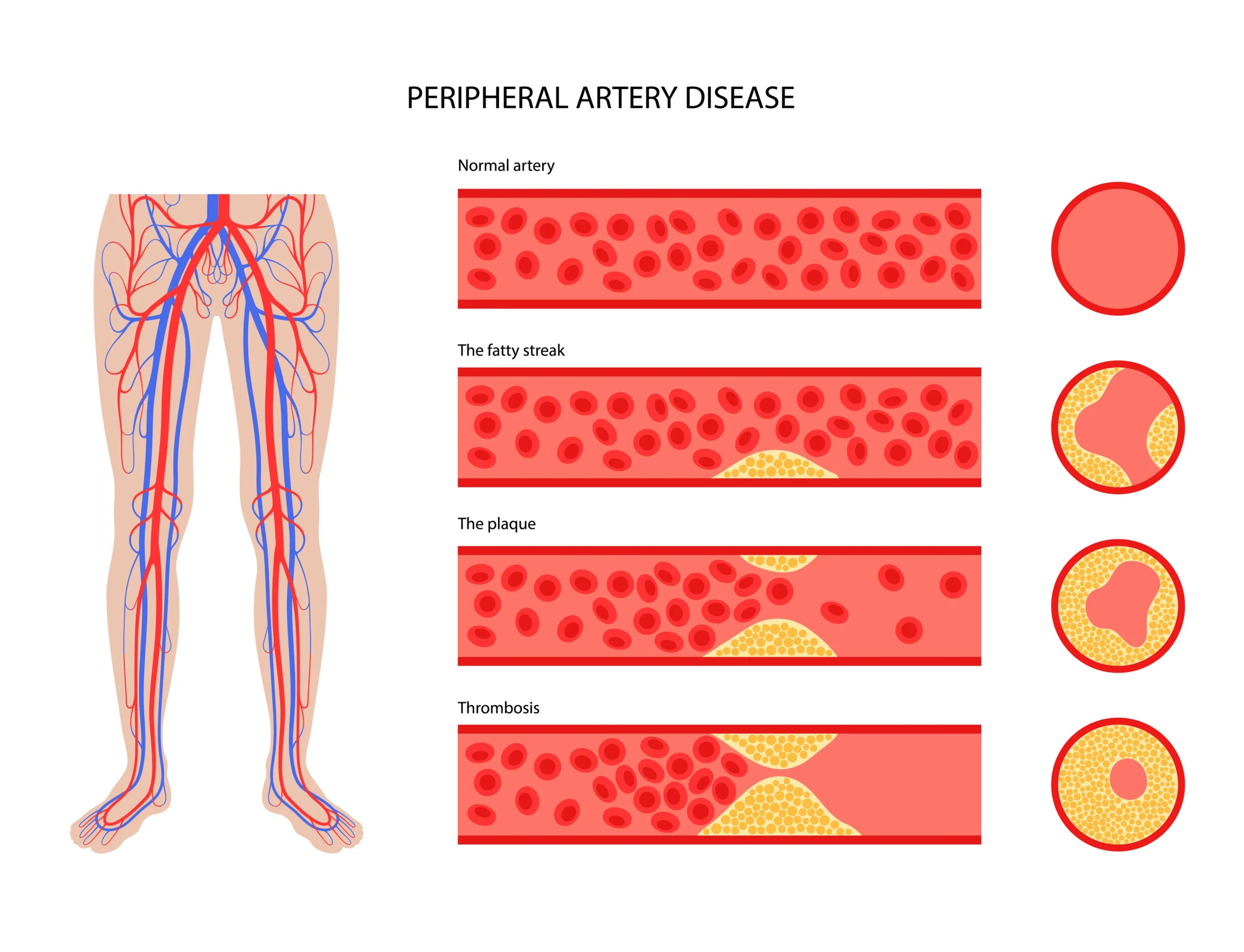 Peripheral artery disease (PAD) is a condition that results from narrowed arteries, leading to insufficient blood flow to the legs. This can cause symptoms such as cramping, numbness, and weakness in the lower extremities. In severe cases, PAD can lead to critical limb ischemia, which may necessitate amputation. Risk factors for developing PAD include diabetes, high blood pressure, high cholesterol, smoking, and obesity. Plaque buildup caused by fats and cholesterol is a main contributor to the narrowing of arteries in PAD.
Symptoms of PAD may include weakness, numbness, cramps, coldness in the lower leg or foot, and changes in skin color or texture. Treatment for PAD may include medications and surgical options. Lifestyle changes, such as quitting smoking, can also help manage PAD.
Sciatic Nerve Pain
Sciatic nerve pain, commonly known as sciatica, is the most prevalent form of radiculopathy, which refers to symptoms from a pinched nerve in the spine. Sciatica can manifest suddenly due to causes like a herniated disk or develop gradually due to degenerative conditions. Inflammation or swelling in the affected leg can be a symptom of sciatica originating from a herniated disk or spinal stenosis. Common causes of sciatica include a pinched nerve in the lower spine, slipped or herniated disk, slipped vertebra, muscle spasm, and spinal stenosis.
Resting is recommended for the first couple of days with sciatica, but prolonged inactivity can worsen the pain. Therapeutic massage can help alleviate sciatic nerve pain. Additionally, chiropractic care may also provide relief. Over-the-counter pain medication, physical therapy, and possible surgery for serious cases are treatment options for sciatica.
Deep Vein Thrombosis (DVT)
Deep Vein Thrombosis (DVT) is a serious condition where a blood clot forms in a vein, usually in the thigh or lower leg. Common symptoms of DVT include leg pain, swelling, warmth, and redness. If a blood clot in the leg travels to the lungs, it can lead to a pulmonary embolism, which is a life-threatening condition. If you notice symptoms of DVT, it is crucial to call your doctor right away or seek immediate medical attention.
Doctors can provide treatment for DVT, including medicine to prevent clots from forming or growing. Recognizing the symptoms and risks of DVT is vital for early detection and treatment. Prompt medical intervention can prevent complications and improve outcomes for individuals with DVT.
Arthritis in Lower Extremities
Arthritis is a very common cause of lower extremity pain, affecting joints such as the hips, knees, and ankles. This condition can cause pain, swelling, and stiffness, significantly impacting mobility and quality of life. Weight management is essential as excess weight can exacerbate joint pain associated with arthritis. Self-care approaches for arthritis include low-impact exercises and the application of heat or ice to alleviate symptoms.
Muscle Strains and Sprains
Muscle strains and sprains are common injuries that can cause significant pain and discomfort. A pulled muscle occurs when a muscle is stretched too far, leading to intense pain and tenderness to touch. The R.I.C.E. method, which stands for rest, ice, compression, and elevation, is a standard treatment for soft-tissue injuries. Compression and elevation are universally considered beneficial for managing swelling and supporting injured areas.
Tendinitis in Lower Limbs
Tendinitis refers to inflammation of tendons, often resulting in significant pain during movement, typically related to overuse. Pain from tendinitis often requires medical consultation to rule out other issues. Common treatment recommendations for tendinitis include the R.I.C.E. method and anti-inflammatory pain medications.
Varicose Veins
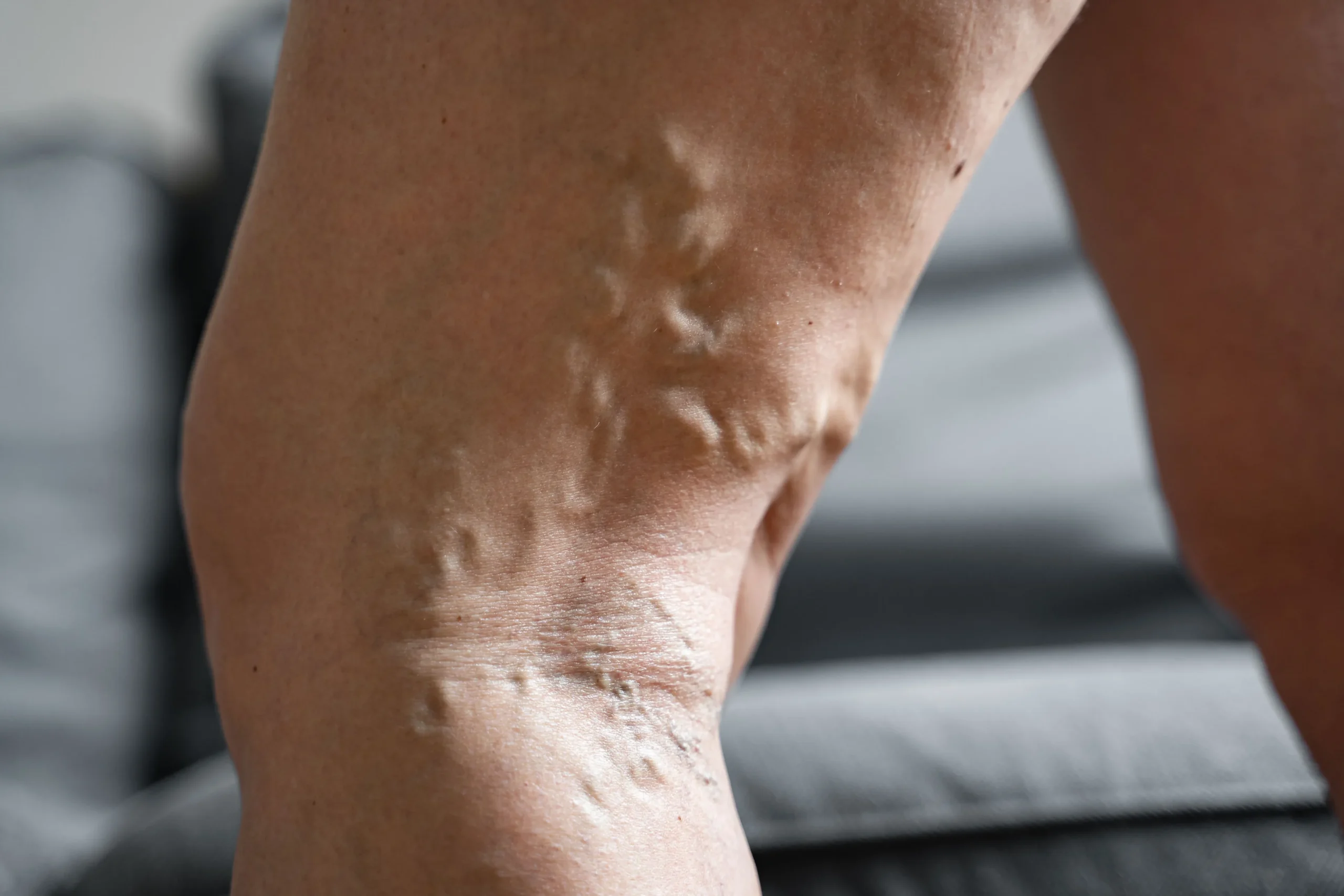 Varicose veins can cause symptoms such as heaviness, burning, throbbing, or cramping in the legs, and may result in skin discoloration near the affected area. Symptoms can become more pronounced after prolonged sitting or standing. Risk factors for developing varicose veins include aging, being overweight, pregnancy, and prolonged periods of sitting or standing. Lifestyle changes that may help with varicose veins involve losing weight, exercising regularly, and wearing compression stockings.
Treatment options for varicose veins include endovenous ablation, sclerotherapy, and compression therapy.
Plantar Fasciitis and Foot Pain
Plantar fasciitis is characterized by inflammation of the plantar fascia, leading to heel pain. Common symptoms include:
- Heel pain
- Stiffness
- Swelling
- A tight Achilles tendon
Managing plantar fasciitis often involves rest, ice therapy, and wearing supportive shoes. Non-supportive footwear, like flip-flops, can contribute to the development of plantar fasciitis. Orthotic inserts can provide additional arch support for those suffering from plantar fasciitis.
Corticosteroid injections may be used to alleviate inflammation associated with plantar fasciitis.
Stress Fractures
Stress fractures are primarily caused by overuse of the muscles around a bone, particularly in high-impact sports. Improper footwear and rapid increases in training intensity can contribute to the development of stress fractures. If pain similar to shin splints doesn’t improve, it may indicate a stress fracture in the shinbone.
Recovery from a stress fracture typically requires taking a break from high-impact activities for adequate healing. The healing period for stress fractures generally ranges from 6 to 8 weeks.
Shin Splints
Shin splints are a common condition characterized by pain along the front of the calf. This pain typically occurs on the front and outside of the shin and may worsen with movement. Shin splints result from inflammation of the muscles, tendons, and tissue around the shin bone, often triggered by intense or repetitive activities. Individuals engaged in high-impact sports or exercises are more likely to develop shin splints due to the stress placed on the lower legs.
It is recommended to gradually increase exercise intensity and wear well-fitted athletic shoes to help manage symptoms. If symptoms persist or worsen, it is important to see a doctor to ensure there are no serious underlying issues.
Bursitis in Hips
Bursitis in the hips occurs when the bursa, a small fluid-filled sac that reduces friction between tissues, becomes inflamed. This inflammation can create pain in the hip and hinder the smooth movement of the joint. Diagnosis of hip bursitis commonly involves a physical examination and may include imaging tests like X-rays or MRIs to rule out other issues.
In cases where other treatments fail, corticosteroid injections into the bursa may provide significant relief from pain and inflammation.
Piriformis Syndrome
Piriformis syndrome arises when the piriformis muscle puts pressure on the sciatic nerve, leading to inflammation and pain or numbness in the buttock and down the leg. Unlike sciatica, which can result from issues like herniated disks, piriformis syndrome specifically involves the piriformis muscle compressing the sciatic nerve in the buttock. The condition can affect one side or both sides of the body.
Symptoms of piriformis syndrome include pain or numbness in the buttock and along the back of the leg, which can occur unilaterally or bilaterally. It is essential to seek specialist care for accurate diagnosis and treatment of piriformis syndrome.
Achilles Tendonitis
Achilles tendonitis is characterized by inflammation of the tendon connecting the calf muscle to the heel bone. This condition is prevalent among athletes and physically active individuals. Wearing supportive footwear maintains tendon health and prevents Achilles tendonitis.
Chronic Knee Pain
Chronic knee pain can arise from various injuries, including tears in ligaments like the ACL, fractures, or damage to cartilage. Factors such as being overweight and lack of muscle strength can increase the risk of developing chronic knee pain.
Neurological Disorders
Neurological disorders can cause significant lower extremity pain, often due to ongoing damage to the nerves. Peripheral neuropathy, a common condition caused by diabetes and other health conditions, medications, injuries, and infections, leads to sensations of tingling, numbness, and weakness in the legs. Managing diabetic neuropathy primarily involves controlling blood sugar levels and gradually increasing exercise. Treatment for peripheral neuropathy may involve addressing the underlying condition.
Treatment Options for Lower Extremity Pain at Pain & Spine Physicians of San Antonio
Lower extremity pain, which affects the legs, hips, knees, and feet, can significantly hinder mobility and quality of life. At Pain & Spine Physicians of San Antonio, we offer a comprehensive range of treatment options specifically tailored to address lower extremity pain conditions. Our approach is designed to alleviate pain, improve mobility, and enhance overall quality of life.
Minimally Invasive Interventions
Minimally invasive procedures, like radiofrequency ablation or nerve blocks, can provide targeted pain relief for those experiencing chronic conditions. These procedures involve small incisions and minimal downtime, making them ideal for individuals who may not be ready for surgery but need significant pain management.
Each treatment plan is carefully crafted to meet the unique needs of each patient, with a focus on improving mobility, reducing pain, and enhancing overall quality of life.
Contact Pain & Spine Physicians of San Antonio for Lower Extremity Pain Relief
At Pain & Spine Physicians of San Antonio, we specialize in diagnosing and treating a wide range of lower extremity pain conditions, including Achilles tendonitis, hip osteoarthritis, and chronic knee pain. Our expert pain management team is dedicated to providing comprehensive management for conditions such as leg pain, sciatic nerve pain, and piriformis syndrome. We also address foot-related issues, including plantar fasciitis, heel spur, and varicose veins, with a focus on improving mobility and reducing discomfort.
Our clinic offers a thorough evaluation of lower extremity pain, utilizing state-of-the-art imaging and diagnostic methods to accurately identify the root causes of pain. Our treatment options are diverse, and include advanced interventional procedures tailored to each patient’s specific needs. We emphasize a multidisciplinary approach, collaborating with a network of specialists to address the complex nature of lower body pain.
With personalized treatment plans crafted based on each patient’s unique symptoms and medical history, our goal is to empower individuals to manage their pain effectively and enhance their quality of life. We employ the latest technology in pain management to ensure optimal outcomes for our patients.
If you or a loved one is experiencing lower extremity pain, don’t hesitate to reach out to Pain & Spine Physicians of San Antonio. Our dedicated team is here to support you on your journey to recovery and improved well-being.
Contact us today at 210-634-1232 to schedule a consultation and take the first step towards a pain-free life.
Educational Videos
Click On The Links Below To Watch Educational Videos


Book An Appointment
Fields Marked With An ” *” Are Required
1804 NE Interstate 410 Loop Ste 101
San Antonio, TX 78217
*This Site Follows The Standards And Practices Of HIPAA Compliance Laws*

© Copyright 2026 Pain & Spine Physicians of San Antonio. All rights reserved.
