
San Antonio Upper Extremity Pain Doctor
 Are you struggling with pain in your shoulder, arm, elbow, wrist, or hand? You’re not alone. Upper extremity pain, which refers to discomfort in any part of the upper limbs, can make everyday tasks feel like monumental challenges. Whether it’s caused by an injury, repetitive motion, or a medical condition, this type of pain can significantly impact your quality of life.
Don’t let upper extremity pain hold you back any longer. Our expert pain management doctors are ready to provide the personalized care you need to get back to living your life pain-free. Call now to schedule your consultation!
Reach out to Pain & Spine Physicians of San Antonio today at 210-634-1232.
Understanding Upper Extremity Pain

Upper extremity pain encompasses discomfort in the shoulder, arm, elbow, wrist, and hand. It can be constant or activity-specific, manifesting as:
- Spontaneous pain
- Pain with limb movements
- Deep muscle aches
- Paraesthesia
- Hyperalgesia
- Allodynia
- Difficulties with coordination
- Discomfort in the upper extremities
Ignoring these symptoms can hinder recovery and functional abilities, so early diagnosis and treatment are important.
Symptoms like spontaneous pain, deep muscle aches, paraesthesia, and hyperalgesia can significantly impact daily activities, making simple tasks feel almost impossible. For instance, biceps tendonitis causes shoulder pain and can limit the range of motion if untreated, while arthritis in the joints presents as dull, burning pain, warmth, swelling, and stiffness.
Shoulder pain is the most frequently reported area of discomfort among those experiencing upper extremity pain. Conditions such as carpal tunnel syndrome often lead to tingling and pain in the thumb and first two fingers, while rotator cuff injuries typically cause pain or weakness when reaching overhead.
Recognizing these symptoms and their impact on daily life highlights the need for early diagnosis and treatment to prevent complications and improve quality of life.
Common Causes of Upper Extremity Pain
Upper extremity pain can arise from various causes, including:
- Daily overuse
- Arthritis
- Repetitive motion injuries
- Sports injuries
- Work-related injuries
- Congenital disorders
Conditions like diffuse repetitive strain injury (RSI) and chronic arm pain due to whiplash are common in clinical settings.
Other notable causes include carpal tunnel syndrome, rotator cuff tears, and biceps tendonitis. Peripheral neuropathy and thoracic outlet syndrome (TOS) also significantly contribute to upper extremity pain.
Carpal Tunnel Syndrome
 Carpal tunnel syndrome is caused by the compression of the median nerve in the wrist. This condition often arises from repetitive motions, such as typing or assembly line work, though genetics and falls can also play a role in developing carpal tunnel syndrome. The prevalence of carpal tunnel syndrome in the United States is up to 3.7%, making it a common issue that can severely impact daily activities. Common symptoms include tingling, numbness, and pain in the thumb and first two fingers.
Cubital Tunnel Syndrome
Cubital tunnel syndrome is caused by the entrapment of the ulnar nerve around the elbow. This condition often presents with paresthesias in the ulnar one and a half fingers and medial elbow pain. Physical examination findings indicating cubital tunnel syndrome include decreased sensation in the affected fingers and the dorsal ulnar aspect of the hand.
Accurate diagnosis typically involves a thorough physical examination and, in some cases, nerve conduction studies to assess the extent of nerve damage. Treatment options range from conservative approaches, such as splinting and physical therapy, to surgical interventions in more severe cases.
De Quervain’s Tenosynovitis
De Quervain’s tenosynovitis involves inflammation of the tendon sheath in the wrist and thumb. This condition primarily affects the base of the thumb and the outer side of the wrist. Patients often experience pain and swelling in these areas, with some reporting a sticking sensation in their thumb.
Treatment typically includes rest, splinting, and anti-inflammatory medications. In more severe cases, corticosteroid injections may be necessary to relieve symptoms.
Rotator Cuff Tears
Rotator cuff tear is a common cause of shoulder pain, resulting from the tearing of tissues that connect muscles to the shoulder bone. These tears can occur due to heavy lifting, unnatural arm rotation, or traumatic injuries. Symptoms often include weakness in external rotation, forward elevation, and internal rotation of the shoulder.
MRI is a valuable tool in diagnosing rotator cuff tears, providing detailed imaging of the shoulder joint and associated pathologies. Treatment options range from physical therapy and anti-inflammatory medications to surgical repair in more severe cases.
Tennis Elbow and Golfer’s Elbow
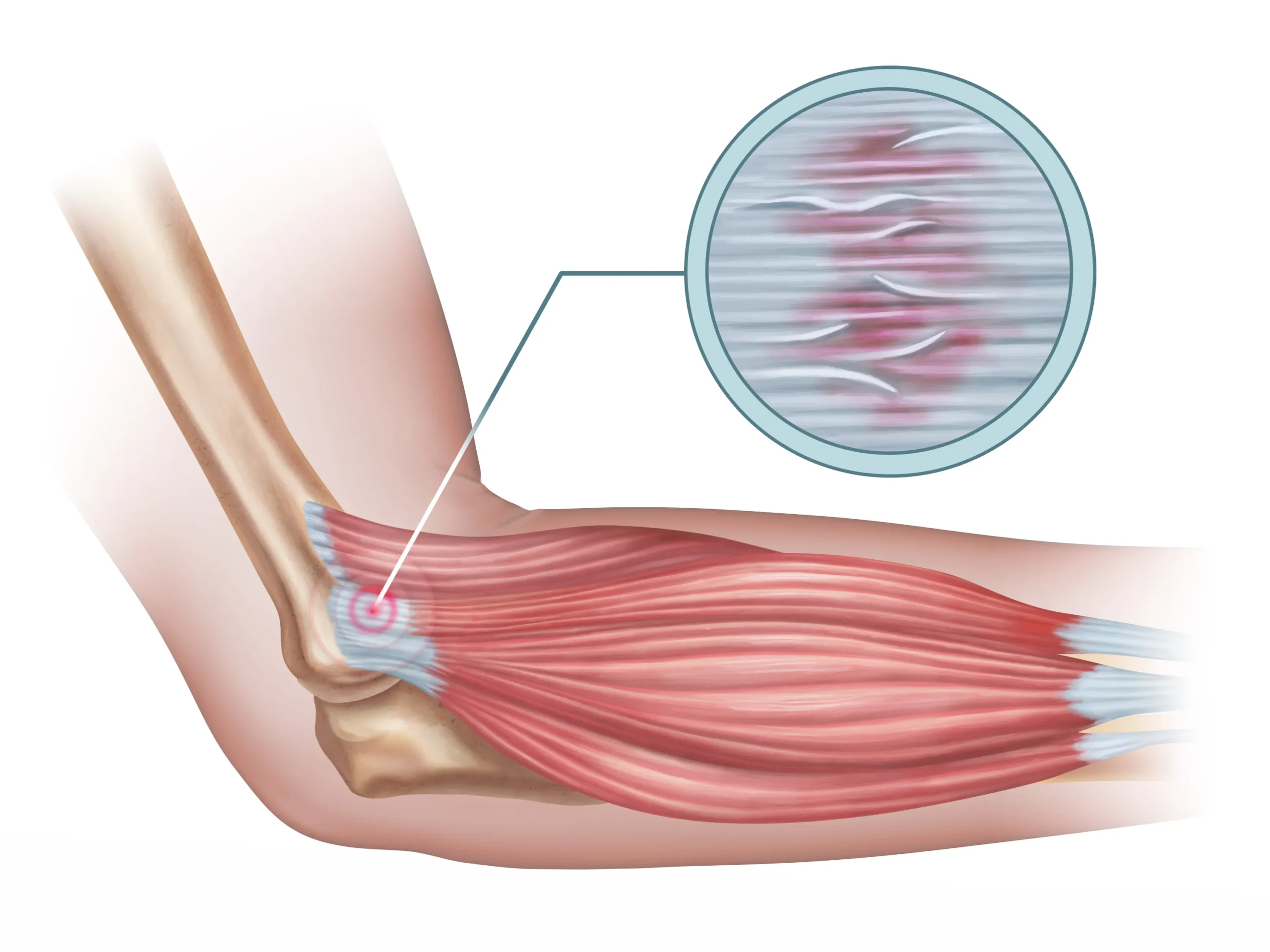 Tennis elbow (lateral epicondylitis) and golfer’s elbow (medial epicondylitis) are common forms of elbow pain caused by repetitive motion. Tennis elbow results from repetitive outward motion of the elbow joint, while golfer’s elbow is caused by repetitive inward motion. Individuals playing racquet sports, tradespeople, and weightlifters are at higher risk for these conditions.
Symptoms of tennis elbow include pain on the outer part of the elbow that worsens with activity and is relieved by rest. Treatment typically involves rest, physical therapy, and in some cases, corticosteroid injections or surgery.
Causes of Upper Back Pain
Upper back pain can stem from a variety of causes, each contributing to discomfort and potential limitations in daily activities. Understanding these causes is crucial for effective diagnosis and treatment. Here are some common causes of upper back pain:
- Poor Posture: Poor posture, such as slouching or hunching over a computer, can lead to muscle strain and tension in the upper back. Over time, this can cause chronic pain and discomfort.
- Muscle Overuse: Repetitive motions or overuse of the upper back muscles, often seen in activities like lifting, pulling, or pushing, can result in muscle strain and pain.
- Injuries: Traumatic injuries, such as those sustained in car accidents or falls, can cause damage to the muscles, ligaments, or vertebrae in the upper back, leading to pain and limited mobility.
- Herniated Discs: Although less common in the upper back compared to the lower back, herniated discs can occur in the thoracic spine, causing pain that radiates through the upper back and sometimes into the arms.
- Osteoarthritis: Degeneration of the cartilage in the joints of the upper spine can lead to osteoarthritis, resulting in pain, stiffness, and reduced range of motion.
- Myofascial Pain Syndrome: This chronic pain disorder involves trigger points in the upper back muscles that cause pain and tenderness. It can be triggered by stress, poor posture, or repetitive movements.
- Spinal Deformities: Conditions like scoliosis or kyphosis, which involve abnormal curvature of the spine, can place extra stress on the upper back, leading to pain and discomfort.
- Infections: In rare cases, infections in the spine or surrounding tissues can cause upper back pain. These infections require prompt medical attention.
- Underlying Medical Conditions: Conditions such as fibromyalgia, which causes widespread musculoskeletal pain, can also affect the upper back.
By identifying the specific cause of upper back pain, healthcare providers can develop targeted treatment plans to alleviate pain and improve overall function.
Diagnosing Upper Extremity Pain at Pain & Spine Physicians of San Antonio
Accurate diagnosis of upper extremity pain is the cornerstone of effective treatment, and at Pain & Spine Physicians of San Antonio, we specialize in identifying the root causes of your discomfort. Our comprehensive diagnostic approach begins with a detailed medical history and a thorough physical examination, focusing on neurologic, musculoskeletal, and vascular factors to pinpoint the exact source of pain.
Clinical Examination Techniques
Our team employs advanced clinical examination techniques to diagnose upper extremity pain accurately. We utilize specific tests such as the Neer and Hawkins tests for impingement syndrome and the Spurling test for cervical radiculopathy. For inflammatory and osteoarthritic conditions, we perform provocative maneuvers and intra-articular injections to identify the affected areas precisely.
We also assess peripheral neuropathy through a meticulous clinical history that includes familial conditions, recent travel, occupational exposure, and social history. Swelling and tenderness in the joint may indicate traumatic injuries such as falls and dislocations, which we carefully evaluate during the examination.
Imaging and Diagnostic Tests
At Pain & Spine Physicians of San Antonio, we use state-of-the-art imaging tests to get a clear view of your internal structures. Ultrasonography and MRI are commonly employed to assess shoulder joint pathologies and vascular conditions. MRI is particularly effective in confirming cervical radiculopathy by providing detailed images of nerve root issues, while ultrasonography helps diagnose thoracic outlet syndrome.
After initial imaging, we may conduct confirmatory tests like nerve conduction studies to support our diagnoses. These advanced diagnostic tools develop an accurate diagnosis and craft an effective treatment plan tailored to your specific needs.
What Should I Do If I Disagree with My Doctor’s Diagnosis?
Disagreeing with your doctor’s diagnosis can be a challenging and stressful experience. It’s important to trust your instincts and seek a second opinion if you feel something isn’t right. At Pain & Spine Physicians of San Antonio, we understand the importance of accurate diagnoses and personalized care. We offer a comprehensive evaluation to ensure you receive the correct diagnosis and the most effective treatment plan.
When you come to us for a second opinion, our pain management team will conduct a thorough review of your medical history and previous diagnostic tests. We utilize advanced clinical examination techniques and state-of-the-art imaging tests to gain a detailed understanding of your condition. Our approach is holistic, considering not only the physical aspects of your pain but also your overall well-being.
We believe in open communication and will take the time to listen to your concerns, answer your questions, and explain our findings in a way that you can understand. Our goal is to provide you with a clear and accurate diagnosis, along with a tailored treatment plan that addresses your specific needs.
Treatment Options for Upper Extremity Pain
Managing upper extremity pain requires a comprehensive approach, integrating accurate diagnosis and a tailored treatment plan. Pain and Spine Physicians of San Antonio offers various non-surgical treatment options for upper extremity pain, addressing conditions affecting the shoulders, arms, elbows, wrists, and hands. Here are some of the key treatments:
- Medications: Pain-relieving and anti-inflammatory medications may be prescribed to manage discomfort and decrease inflammation in the affected area.
- Steroid Injections: Corticosteroid injections are used to reduce inflammation and provide relief for conditions like tendonitis or bursitis, offering lasting pain relief.
- Platelet-Rich Plasma (PRP) Treatment: PRP therapy is an advanced treatment that uses the patient’s own blood to promote healing. Blood is drawn, processed to concentrate platelets, and injected into the painful area. This technique stimulates tissue repair and accelerates recovery, especially for tendon injuries and arthritis-related pain.
- Nerve Blocks: Nerve blocks can be used to temporarily block pain signals from irritated or inflamed nerves, providing effective pain relief for certain conditions.
These non-invasive treatments are carefully chosen to address each patient’s unique needs, helping to relieve pain and restore function without the need for surgery. PRP therapy, in particular, is a regenerative option that supports natural healing and long-term recovery.
Lifestyle changes like ergonomic adjustments and activity modification are components of conservative therapy for upper limb pain. These adjustments can significantly reduce pain and improve functionality.
The best pain management doctors in San Antonio offer advanced and compassionate treatment options tailored to individual needs.
Lifestyle Modifications to Support Upper Extremity Health
Supporting upper extremity health involves making several lifestyle changes that can significantly reduce pain and enhance overall functionality. Here are some tips:
Ergonomic Adjustments
- Workstation Setup: Ensure your desk and chair are set up to promote good posture. Your monitor should be at eye level, and your chair should support your lower back.
- Keyboard and Mouse Positioning: Keep your keyboard and mouse at a height that allows your elbows to remain at a 90-degree angle. Consider using an ergonomic keyboard and mouse to reduce strain.
- Frequent Breaks: Take regular breaks to stretch and move around. Aim for a short break every hour to prevent stiffness and overuse injuries.
Diet and Nutrition
- Anti-Inflammatory Foods: Incorporate foods rich in omega-3 fatty acids, such as fish, flaxseeds, and walnuts, to help reduce inflammation.
- Vitamins and Minerals: Ensure your diet includes plenty of vitamins and minerals that support joint health, such as Vitamin D, calcium, and magnesium. Leafy greens, dairy products, and nuts are excellent sources.
- Balanced Diet: Maintain a balanced diet with a good mix of protein, carbohydrates, and fats to support overall muscle and joint health.
Hydration
- Stay Hydrated: Drinking adequate water helps maintain joint lubrication and muscle function. Aim for at least 8 glasses of water a day.
- Limit Caffeine and Alcohol: Both can lead to dehydration, so it’s best to consume them in moderation.
Physical Activity
- Regular Exercise: Engage in regular physical activity that includes both strength training and cardiovascular exercises. Strong muscles support joint health and reduce the risk of injury.
- Stretching: Incorporate stretching exercises into your daily routine to maintain flexibility and prevent stiffness. Focus on gentle, prolonged stretches for the upper extremities.
- Proper Technique: Whether lifting weights or performing daily tasks, use proper techniques to avoid unnecessary strain on your upper extremities.
Mindfulness and Stress Management
- Mindfulness Practices: Techniques such as yoga and meditation can help manage stress, which can exacerbate pain and tension in the upper extremities.
- Adequate Sleep: Ensure you get enough restful sleep each night, as poor sleep can negatively impact pain levels and overall health.
By incorporating these lifestyle modifications, you can support upper extremity health and reduce the risk of pain and injury. Small changes in your daily habits can lead to significant improvements in your overall well-being.
What are the Effects of Poor Posture on Upper Extremity Pain?
Poor posture can significantly worsen upper extremity pain by placing excess stress on muscles, tendons, and joints, particularly in the shoulders, arms, and wrists. This can lead to muscle imbalances, overuse, and conditions like tendonitis, bursitis, and nerve compression syndromes such as carpal tunnel. Poor posture also restricts circulation and nerve function, causing numbness, tingling, and reduced strength. Over time, it can contribute to joint degeneration and chronic pain. Correcting posture through core-strengthening exercises, good ergonomics, and mindful habits can alleviate pain and prevent complications. For specialized care, consult a back specialist in San Antonio.
Living with Chronic Upper Extremity Pain
Living with chronic upper extremity pain can be overwhelming, affecting your ability to perform everyday tasks and diminishing your overall quality of life. At Pain and Spine Physicians of San Antonio, we understand that each person’s pain experience is unique, and we believe you shouldn’t have to endure it without tailored solutions.
Instead of simply coping with discomfort, our team focuses on finding customized ways to manage and treat your pain. We evaluate your specific condition and work closely with you to develop an individualized treatment plan that addresses the root cause of your pain. Whether it’s through non-invasive procedures like PRP therapy or other innovative pain management techniques, we aim to improve your mobility and relieve discomfort without relying on a one-size-fits-all approach.
Our goal is to help you regain control over your life, offering personalized care that targets your needs. At Pain and Spine Physicians of San Antonio, we’re committed to helping you live pain-free, so you can return to doing what you love with confidence and ease.
Contact Us for Upper Extremity Pain Management and Treatment
Pain & Spine Physicians of San Antonio provide specialized care for various upper extremity conditions. Our dedicated team of board-certified pain management doctors, assistants, and staff are committed to improving patients’ lives through advanced and compassionate care. We understand that upper extremity pain can significantly impact your daily life, making simple tasks feel almost impossible. That’s why we offer a comprehensive approach to pain management, ensuring personalized treatment plans tailored to each patient’s needs.
At Pain & Spine Physicians of San Antonio, we utilize state-of-the-art diagnostic tools and innovative treatment options to accurately diagnose and effectively treat your pain. Our non-surgical treatments include PRP,
Don’t let upper extremity pain control your life. Take the first step towards a pain-free future by contacting Pain & Spine Physicians of San Antonio today. Call us at 210-634-1232 to schedule your consultation and start your journey to recovery!
Resources
Educational Videos
Click On The Links Below To Watch Educational Videos


Book An Appointment
Fields Marked With An ” *” Are Required
1804 NE Interstate 410 Loop Ste 101
San Antonio, TX 78217
*This Site Follows The Standards And Practices Of HIPAA Compliance Laws*

© Copyright 2026 Pain & Spine Physicians of San Antonio. All rights reserved.
