
Spine & Back Pain Doctor in San Antonio
 Spine and back pain are common issues that affect millions of people worldwide, ranging from mild discomfort to debilitating pain that interferes with daily activities. It can impact individuals of all ages, from young athletes to older adults dealing with age-related degeneration. Understanding the underlying conditions that cause spine pain is crucial for effective treatment and long-term relief.
If you are dealing with persistent and severe chronic back pain, this does not mean you have to immediately opt for surgery.
At Pain & Spine Physicians of San Antonio, our team of San Antonio back doctors and spine specialists is committed to helping patients identify and manage these conditions. This page provides an in-depth overview of common spine pain conditions and the treatment options available to you. Together, we can find options that minimize your risk and reduce downtime associated with surgery.
Understanding the Spine
 The spine is a complicated and important structure in the body that is made up of vertebrae, intervertebral discs, nerves, and muscles. It maintains the body’s weight, provides flexibility and mobility, and protects the spinal cord, the primary means of communication between the brain and the rest of the body.
The spine is divided into several regions, including:
- Cervical (neck)
- Thoracic (upper spine)
- Lumbar (lower spine)
- Sacral (pelvis)
- Coccygeal (tailbone).
Each region has its own unique structure and function, making it susceptible to different types of injuries and conditions. For example, the cervical spine is more prone to whiplash injuries, while the lumbar spine often experiences issues related to heavy lifting or prolonged sitting. The complexity of the spine and its constant use makes it vulnerable to various conditions, especially as you age or engage in repetitive movements that strain the back.
When the spine is injured or begins to degenerate, it can cause pain that radiates through the back, neck, or even into the limbs. This pain can result from issues such as disc herniation, spinal stenosis, or degenerative changes that affect the vertebrae and joints. Understanding these conditions and seeking early treatment from a back specialist in San Antonio can prevent further complications and help you regain control of your life.
Common Conditions Treated by Back Doctors
Spine doctors can help bring much-needed pain relief to their patients. With their help, you can find treatments for many of the following pain conditions:
- Disc Herniation
- Facet Joint Syndrome
- Failed Back Surgery Syndrome
- Herniated, Bulging Discs
- Lower Back Conditions
- Post-Laminectomy Syndrome
- Rib Fractures
- Radiculopathy
- Sciatica
- Scoliosis
- Spinal Stenosis
- Spine Surgery Pain
- Thoracic Conditions
- Upper Back Conditions
- Vertebral Body Fracture
- Vertebral Compression Fracture
- Trigger Point Pain
Herniated Disc

A herniated disc develops when the soft inner material of a spinal disc pushes through a tear in the harder outer layer. This condition is often caused by wear and tear or sudden injury. When a disc herniates, it can press on nearby nerves, leading to symptoms such as back pain, sciatica, numbness, and weakness.
Our spine pain doctors in San Antonio specialize in diagnosing herniated discs using advanced imaging techniques like MRI. During your consultation, your doctor will conduct a thorough physical examination and may order diagnostic tests to confirm the herniation’s location and severity.
Treatment may include physical therapy, pain management, and, in severe cases, minimally invasive surgery to relieve pressure on the nerves. Quickly addressing a herniated disc can prevent long-term damage and restore your quality of life.
Degenerative Disc Disease
Degenerative disc disease is a condition that typically develops as people age. Over time, the discs between the vertebrae lose their flexibility and cushioning, leading to chronic pain and stiffness. This condition can result in limited mobility and may contribute to other spinal issues like herniated discs or spinal stenosis.
Back doctors in San Antonio offer a variety of treatments for degenerative disc disease, ranging from conservative methods like physical therapy and pain management to surgical interventions when necessary. Early diagnosis and treatment are crucial for maintaining your spine’s health and preventing the progression of the disease, which can lead to more severe complications if left untreated. Without proper management, degenerative disc disease can significantly impact your quality of life, making early intervention key.
Spinal Stenosis
 Symptoms of spinal stenosis include numbness, muscle fatigue, and pain because of the narrowing of the spinal canal, which can compress the nerves. Symptoms of this condition can have a substantial impact on daily life, frequently affecting the lower back and neck.
A spine specialist in San Antonio can diagnose spinal stenosis through a combination of physical examinations and imaging tests. Your doctor may use MRI or CT scans to determine the extent of the narrowing and its impact on the nerves.
Treatment options may include physical therapy, medications, and injections to reduce inflammation and relieve pressure on the nerves. In severe cases, surgical procedures may be recommended to widen the spinal canal and alleviate symptoms, helping you return to a more active lifestyle.
Sciatica
Sciatica is a condition characterized by pain that radiates along the sciatic nerve, which runs from the lower back through the hips and down each leg. It is often caused by a herniated disc or spinal stenosis compressing the nerve. Sciatica can result in sharp, shooting pain, tingling, and weakness in the affected leg.
Our spine doctors are experienced in treating sciatica using a range of therapies, including physical therapy, medication, and interventional procedures like epidural steroid injections. By addressing the underlying cause of sciatica, we can help alleviate pain and improve your overall function, allowing you to engage in daily activities with greater ease. The sooner sciatica is treated, the better the outcome, as prolonged nerve compression can lead to more severe issues.
Scoliosis
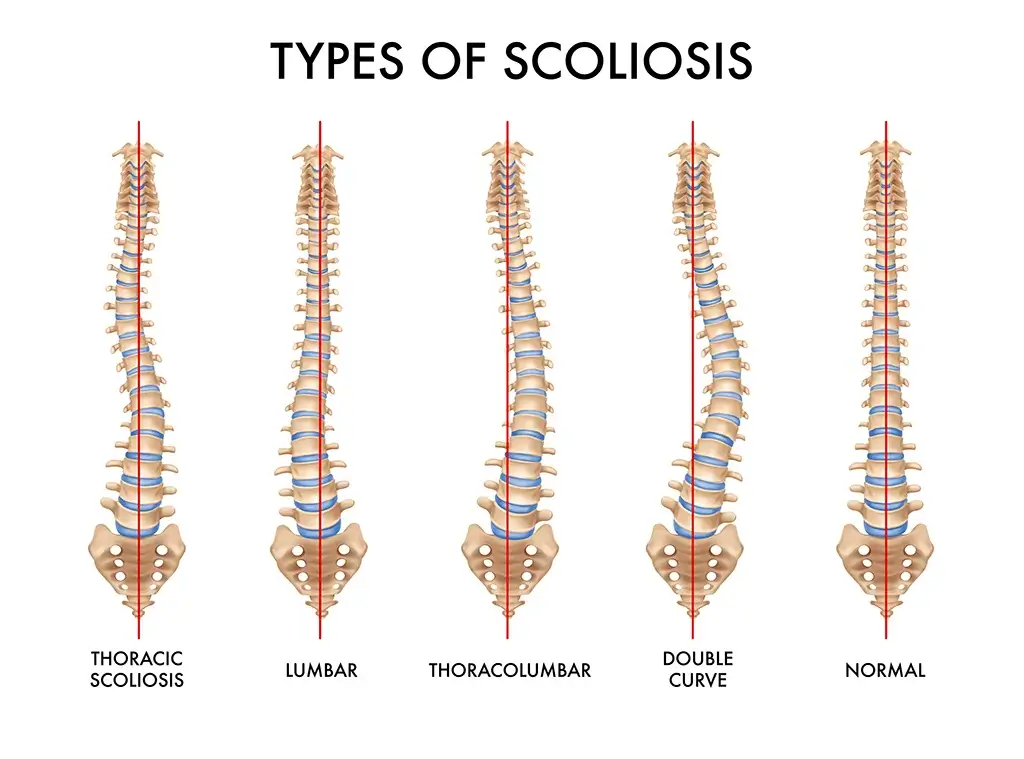 Scoliosis is a condition where the spine curves sideways, often developing during adolescence but sometimes appearing in adulthood. The curvature can range from mild to severe, potentially leading to back pain, posture problems, and in extreme cases, respiratory issues.
Spinal doctors in San Antonio are skilled in diagnosing scoliosis through physical exams and imaging tests. Treatment options vary depending on the severity of the curve and the patient’s age. They may include monitoring, physical therapy, bracing, or surgery to correct the curvature and relieve associated symptoms. Early intervention can prevent the progression of scoliosis, improving both posture and quality of life. Regular check-ups are important for monitoring the condition and adjusting treatment as needed.
Osteoarthritis of the Spine
Osteoarthritis is a degenerative joint disease that can affect the spine, leading to the breakdown of cartilage between the vertebrae. This condition causes pain, stiffness, and reduced flexibility, particularly in the morning or after periods of inactivity.
Back pain doctors in San Antonio provide a comprehensive approach to managing spinal osteoarthritis, which may include physical therapy, medication, lifestyle changes, and injections to reduce inflammation and improve joint function. Early intervention is key to slowing the progression of osteoarthritis and maintaining mobility, helping you stay active and comfortable. In advanced cases, surgery may be considered to relieve severe pain and restore function.
Spondylolisthesis
Spondylolisthesis occurs when one vertebra slips over the one below it, which can cause back pain, leg pain, and nerve compression. This condition can be the result of aging, congenital issues, or injury.
Our spine doctors treat spondylolisthesis with a variety of methods depending on the severity of the condition. These may include physical therapy, pain management strategies, and, in more severe cases, surgery to stabilize the spine and relieve symptoms. Proper treatment can restore stability to the spine, preventing further slippage and reducing pain. Long-term management may involve physical therapy to strengthen the surrounding muscles and maintain spinal alignment.
Kyphosis
Kyphosis is an excessive forward curvature of the spine, leading to a hunched posture. It can be caused by poor posture, age-related changes, or congenital defects. Kyphosis can result in back pain and stiffness, and in severe cases, it may affect lung function.
A back specialist in San Antonio can diagnose kyphosis through a physical exam and imaging tests. Treatment options may include physical therapy to strengthen the muscles, bracing to prevent further curvature, and surgery in severe cases to correct the deformity. Quickly addressing kyphosis can prevent further complications and improve your overall quality of life. Preventative measures can also help reduce the risk of developing kyphosis.
Ankylosing Spondylitis
Chronic stiffness and pain are the primary symptoms of ankylosing spondylitis, a form of inflammatory arthritis that predominantly affects the spine. A loss of spinal mobility may occur because of this condition, which can result in the fusion of the vertebrae overtime.
Back doctors in San Antonio offer specialized care for ankylosing spondylitis, focusing on managing symptoms and slowing the progression of the disease. Treatment may include medications, physical therapy, and exercises to maintain flexibility and reduce pain to help you maintain your daily activities. Early diagnosis is crucial for effective management, as it allows for the implementation of strategies to slow disease progression and maintain mobility.
Facet Joint Syndrome
Facet joint syndrome occurs when the small joints between vertebrae become inflamed, often due to arthritis or injury. This condition causes localized spinal pain, which can be aggravated by movement.
Spine pain doctors diagnose facet joint syndrome through clinical exams and imaging studies. Treatment typically involves a combination of physical therapy, medication, and injections to reduce inflammation and pain, allowing you to move more comfortably. Long-term management may include lifestyle changes, such as improving posture and maintaining a healthy weight, to reduce strain on the facet joints.
Minimally Invasive Options for Back Pain Treatment in San Antonio
Our dedicated team of doctors is eager to work closely with you to understand your chronic pain challenges, how they impact your life, and your health and well-being goals. Based on your case details, we can develop a custom strategy that matches your lifestyle and condition. We can walk you through the pros and cons of effective non-surgical pain management treatment options to help you understand which may be the right path for you.
Radiofrequency Ablation (RFA)
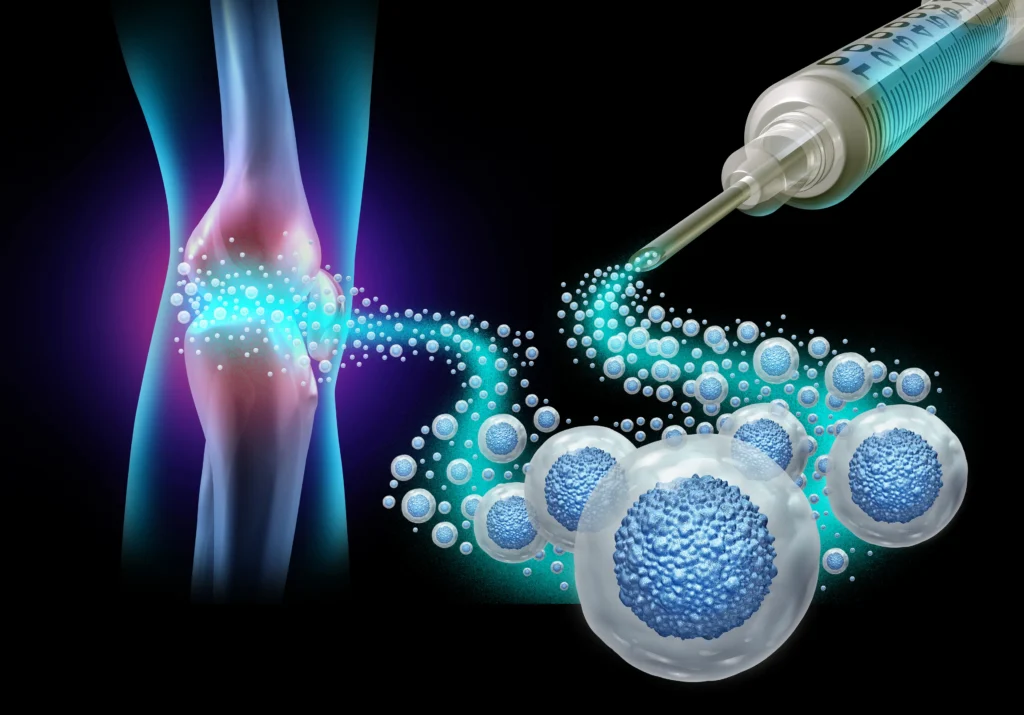 Radiofrequency ablation is a minimally invasive procedure that leverages heat generated from radio signals to intervene with the nerves responsible for your pain. This radiofrequency treatment disrupts pain signals. RFA is typically a good fit for patients with facet joint syndrome or arthritis-related back pain. The benefits related to this treatment include:
- Minimal downtime, with most patients resuming light activities within one to three days of treatment.
- Long-term periods of relief, sometimes lasting 6 to 12 months or more.
- Minimal reliance on medications, reducing risks of dependency and side effects.
Epidural Steroid Injections
Epidural steroid injections directly deliver anti-inflammatory medications to the area that is impacted. These injections can relieve pain that is caused by nerve root irritation, spinal stenosis, or disc herniations.
Facet Joint Injections
Facet joint injections are used to diagnose and treat pain that stems from the facet joints in the spine. This treatment is often used alongside radiofrequency ablation.
Trigger Point Injections
This treatment is typically optimal for people with back pain related to the muscles. Such injections can target painful trigger points, ultimately relieving tension and allowing patients to move again.
Spinal Cord Stimulation
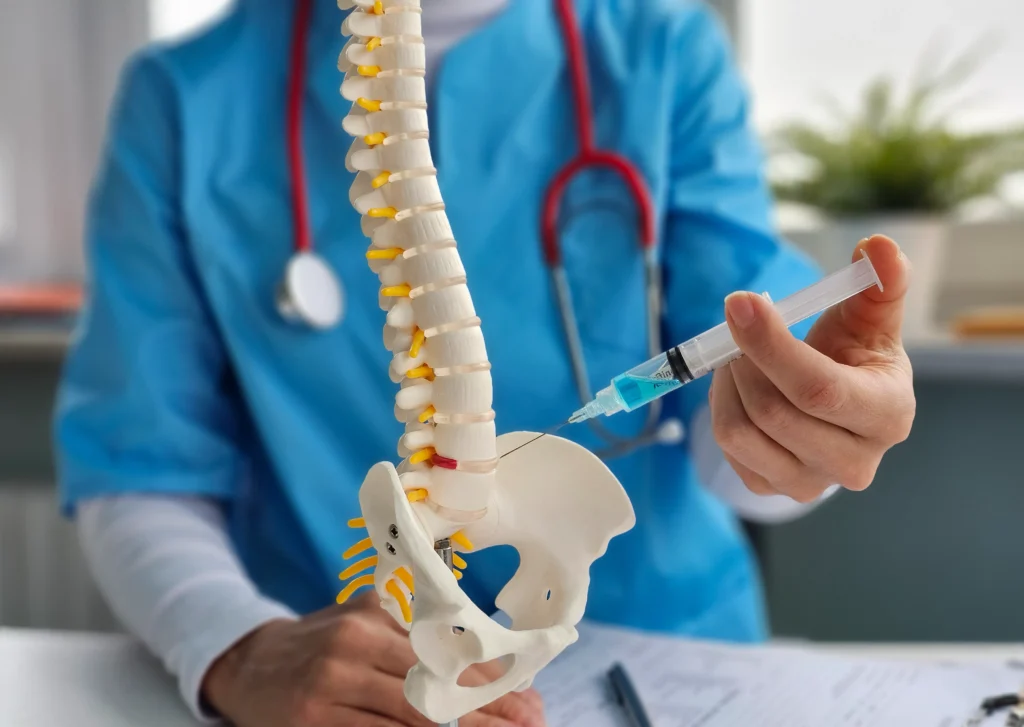 Spinal cord stimulation is an advanced therapy that leverages the use of a small device that is implanted into the body. The device uses electrical impulses to mask pain signals that would go to the brain. This advanced treatment is typically recommended for patients with persistent pain that they have not been able to curb using other treatments.
Discseel Procedure
At Pain & Spine Physicians of San Antonio, we are proud to offer the Discseel® Procedure, an innovative, minimally invasive treatment designed to repair and rejuvenate damaged spinal discs.
At Pain & Spine Physicians of San Antonio, we believe in offering cutting-edge treatments that align with our patients’ goals for recovery. The Discseel® Procedure represents the future of spinal care, providing an effective alternative to invasive surgeries and long-term reliance on pain medications. If you’re struggling with chronic spine pain and seeking a solution that promotes healing and preserves your spine’s natural function, we invite you to explore whether the Discseel® Procedure is right for you. Our dedicated team is here to guide you every step of the way on your journey to recovery.
Kyphoplasty
Kyphoplasty is a minimally invasive outpatient procedure used to treat painful vertebral compression fractures, often caused by osteoporosis, trauma, or tumors. The procedure involves inserting and inflating a small balloon in the fractured vertebra to restore height, then stabilizing the bone with bone cement. Many patients experience rapid relief from back pain within 24–48 hours and can return to normal activities soon after, though there are some rare risks like cement leakage or nerve irritation.
Other Treatments Include:
- Caudal Injections
- Nerve Blocks
- Discography
- Medial Branch Block Injections
- Lumbar Sympathetic Block
The Role of Lifestyle in Back and Spine Health
Maintaining a healthy spine involves more than just seeking treatment when pain arises; it also requires adopting a lifestyle that supports spinal health. Factors such as posture, physical activity, and weight management play a significant role in preventing spine pain and reducing the risk of developing spine conditions.
Posture
Poor posture, whether sitting, standing, or sleeping, can put undue stress on the spine, leading to pain and degeneration over time. It’s essential to maintain proper alignment, particularly during activities that involve repetitive movements or prolonged periods of sitting.
Physical Activity
Regular exercise strengthens the muscles that support the spine, improves flexibility, and promotes overall health. Activities such as swimming, walking, and yoga are particularly beneficial for maintaining a healthy spine. It’s important to incorporate exercises that focus on core strength, as a strong core helps support the lower back.
Weight Management
Excess body weight, especially around the abdomen, can strain the lower back and contribute to spine pain. Maintaining a healthy weight through a well-balanced diet and frequent exercise relieves this pressure and improves overall spinal health.
By adopting these lifestyle habits, you can reduce your risk of developing spine conditions and enhance the effectiveness of any treatments you may receive from your spine specialist.
Why Early Diagnosis and Back Pain Treatment Are Crucial
Early diagnosis and treatment of spine pain conditions are essential to prevent further deterioration and to enhance your quality of life. By consulting a spine specialist in San Antonio at the first sign of pain, you can take proactive steps to address the root cause of your discomfort. Early intervention not only helps to alleviate pain but also reduces the likelihood of needing more invasive treatments in the future, ensuring that you can maintain an active and fulfilling lifestyle.
A personalized treatment plan, developed in collaboration with a spinal doctor, ensures that your specific needs are met. This plan may involve a combination of therapies designed to manage symptoms, improve mobility, and restore function, ultimately leading to a better quality of life. Our team at Pain & Spine Physicians of San Antonio provides you with the most effective treatments tailored to your condition.
Choosing the Right Back Pain Specialist in San Antonio
Selecting the right spine specialist is a critical step in your journey to pain relief. The spine specialists at Pain & Spine Physicians of San Antonio are highly trained and experienced in diagnosing and treating a wide range of spine conditions. They utilize advanced imaging techniques and minimally invasive procedures to provide the most accurate diagnosis and effective treatments available.
Patient-centered care is at the heart of what we do. Our spinal doctors work closely with you to understand your symptoms, develop a personalized treatment plan, and guide you through every step of your recovery. Whether you’re dealing with chronic back pain, a herniated disc, or a complex condition like scoliosis, our team is committed to helping you achieve the best possible outcome.
How Our Board-Certified Back Doctors Can Help
Don’t let spine pain control your life. Understanding your condition and seeking early treatment from a qualified spine specialist in San Antonio is the first step toward regaining your health and well-being. Contact us today at 210-634-1232 to schedule a consultation and explore your treatment options with our expert team at Pain & Spine Physicians of San Antonio.
Frequently Asked Questions About Back Pain
What causes spinal pain, and how can I identify the root of my discomfort?
Spinal pain can result from a variety of conditions, including herniated discs, degenerative disc disease, muscle strains, spinal stenosis, or trauma from accidents. It may also stem from poor posture, repetitive movements, or age-related wear and tear. The type and location of the pain—whether it’s sharp, dull, localized, or radiating—can offer clues about the underlying issue. Accurate diagnosis often requires a combination of a detailed medical history, physical examination, and diagnostic imaging like X-rays, MRIs, or CT scans. Consulting with a specialist ensures that the root cause of your pain is correctly identified and treated.
When should I see a doctor for back pain?
While occasional back or neck pain can resolve with rest and over-the-counter treatments, it’s important to consult a doctor if your spinal pain persists for more than a few weeks, worsens over time, or significantly affects your daily activities. Seek immediate medical attention if your back pain is accompanied by symptoms such as numbness, weakness, tingling in your arms or legs, loss of bladder or bowel control, or if it occurs after an injury or accident. These could indicate serious conditions requiring prompt evaluation and intervention.
What are the treatment options for back and spinal pain?
Treatment options for spinal pain range from conservative approaches to advanced medical procedures. Initial treatment often includes physical therapy, anti-inflammatory medications, and lifestyle modifications like improved posture or weight management. For more persistent or severe back pain, options include interventional pain management techniques such as nerve blocks, epidural injections, or the Discseel® Procedure, a minimally invasive alternative to traditional surgery. Surgical interventions, such as spinal fusion or discectomy, may be necessary in extreme cases. At Pain & Spine Physicians of San Antonio, we specialize in creating personalized treatment plans that address your unique condition and recovery goals.
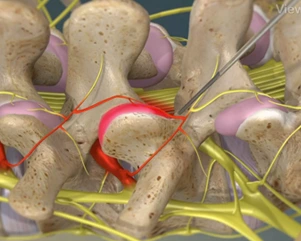
Educational Videos
Click On The Links Below To Watch Educational Videos


Book An Appointment
Fields Marked With An ” *” Are Required
1804 NE Interstate 410 Loop Ste 101
San Antonio, TX 78217
*This Site Follows The Standards And Practices Of HIPAA Compliance Laws*

© Copyright 2026 Pain & Spine Physicians of San Antonio. All rights reserved.
