
Nerve Blocks for Pain Treatment
Types, Benefits, and Risks
 Nerve blocks for pain treatment involve injecting medication near nerves to stop pain signals from reaching the brain. They offer relief for various pain conditions, including chronic and post-surgical pain.
For individuals looking to explore nerve blocks as a solution for their pain management needs, Pain & Spine Physicians of San Antonio offers expert care and personalized treatment plans. Our team is committed to helping you find relief and regain control over your life. Contact us today at 210-634-1232 to schedule a consultation and discover how nerve blocks can be part of your journey to pain relief.
Understanding Nerve Blocks
A nerve block injection targets a specific nerve or group of nerves to interrupt pain signals from reaching the brain. Nerve blocks primarily aim to interrupt pain signals, offering significant relief from chronic pain conditions. Pain medication is injected near the targeted nerves to effectively halt the transmission of pain signals.
There are various types of nerve blocks, each designed to address different types of pain and affected areas. For instance, a sympathetic nerve block specifically aims to reduce or eliminate pain by targeting the sympathetic nervous system. Imaging guidance, such as X-rays, ensures accurate needle positioning, enhancing treatment effectiveness. Additionally, therapeutic nerve blocks and diagnostic nerve blocks play a crucial role in identifying the source of pain.
Nerve block injections are typically administered in a series, with the frequency and duration depending on the patient’s response to the treatment. Some patients experience immediate and lasting relief, while others may require additional treatments or alternative pain management strategies due to temporary effects.
Common Types of Nerve Blocks
Nerve blocks come in various forms, each tailored to address specific pain conditions and areas of the body. These treatments manage acute or chronic pain, including nerve pain, in areas like the spine, neck, buttocks, legs, and arms. One of the most common uses of nerve blocks is to control post-operative pain, ensuring patients have a smoother and less painful recovery process.
There are two primary categories of nerve blocks: single-injection nerve blocks, which provide immediate pain relief through a one-time injection, and continuous nerve blocks, which involve placing a catheter near the nerves to deliver ongoing pain relief. Each type has specific applications and benefits, so selecting the right one depends on the particular pain condition being treated.
Pain & Spine Physicians of San Antonio offers a comprehensive range of nerve block procedures tailored to meet the unique needs of each patient.
Medial Branch Block Injections
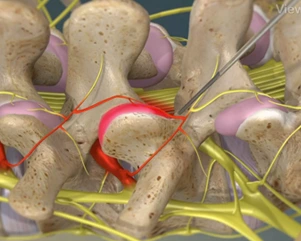
Medial branch block injections are a specialized technique used to manage and diagnose pain originating from the facet joints in the spine. These joints can become a source of chronic pain due to various conditions such as arthritis or injury. Targeting the medial branches of the spinal nerves, these injections provide significant pain relief and assist in accurately diagnosing the pain source.
Pain medication is precisely injected at the medial branch nerves, often guided by imaging to ensure accuracy. This not only helps in alleviating pain but also serves as a diagnostic tool to confirm if the facet joints are the primary pain generators.
The effectiveness of medial branch block injections can vary, and multiple treatments might be necessary to achieve optimal results.
Lumbar Sympathetic Block
Lumbar sympathetic blocks are primarily used to manage Complex Regional Pain Syndrome (CRPS) and other chronic pain conditions affecting the lumbar region of the spine. This procedure involves the injection of a local anesthetic near the sympathetic nerves located in the lumbar spine, aiming to interrupt pain signals and provide relief.
Lumbar sympathetic blocks target the sympathetic nervous system in the lumbar area to significantly reduce pain and improve mobility for CRPS patients. A mild sedative helps the patient relax, and imaging guidance ensures accurate needle placement.
This targeted approach can be particularly effective in managing severe and persistent pain conditions.
Sciatic Nerve Block
Sciatic nerve blocks are commonly used to provide pain relief during lower extremity surgeries, targeting the sciatic nerve to alleviate pain in the lower limbs. This nerve block effectively manages pain from leg or foot surgeries, ensuring minimal discomfort during and after the procedure.
An anesthetic is injected near the sciatic nerve to temporarily block pain signals, providing significant relief. This can be especially beneficial for patients undergoing orthopedic surgeries, as it not only controls pain but also aids in a smoother recovery process.
The sciatic nerve block is a valuable tool in the realm of pain management, offering targeted and effective pain relief.
Specialized Nerve Blocks
Specialized nerve blocks are designed to provide targeted pain relief for specific conditions that may not be adequately addressed by common nerve blocks. These procedures manage pain for conditions like phantom limb pain and other localized pain syndromes. By interrupting pain signals in specific nerve pathways, specialized nerve blocks can significantly enhance patient comfort and improve quality of life.
These nerve blocks are tailored to the unique needs of each patient, providing localized relief that can be more effective than general pain management strategies.
Coccygeal Nerve Blocks
Coccygeal nerve blocks are primarily used to alleviate pain associated with conditions like coccydynia, or tailbone pain. This type of pain can be particularly debilitating, affecting daily activities and overall quality of life. Targeting the ganglion impar, coccygeal nerve blocks offer significant pain relief for tailbone pain sufferers.
Pain medication is injected near the coccygeal nerves, often resulting in immediate and substantial relief. For many patients, this targeted approach can mean the difference between constant discomfort and the ability to enjoy daily activities without pain.
Occipital Nerve Blocks
Occipital nerve blocks target the occipital nerves located at the back of the head, providing relief for chronic headaches and migraines. These blocks are particularly effective in reducing the frequency and intensity of headaches, significantly improving the quality of life for those who suffer from chronic migraine conditions.
The procedure involves the injection of anesthetic near the occipital nerves, which interrupts pain signals and provides significant relief. Patients who undergo occipital nerve blocks often experience fewer headaches and a substantial improvement in their overall well-being.
Selective Nerve Root Block
Selective nerve root blocks are targeted injection procedures aimed at reducing pain associated with spinal nerve compression. These blocks are particularly useful in diagnosing radicular pain by injecting anesthetic near the nerve root and confirming if it is the source of the pain.
The procedure involves the use of imaging guidance to accurately place the needle near the affected nerve root, ensuring the anesthetic is delivered precisely where it is needed. This targeted approach can provide significant pain relief and help in the accurate diagnosis of nerve-related pain conditions.
The Nerve Block Procedure
Patients are advised to fast for several hours before the procedure, wear loose clothing, and avoid wearing jewelry. Once at the clinic, the patient lies on an X-ray table, and an antiseptic solution is applied to clean the injection site.
The procedure itself involves the use of imaging guidance, such as X-rays or ultrasound, to accurately place the needle near the targeted nerve. A local anesthetic is administered to numb the area, and sometimes a contrast material is injected to confirm the needle’s position before delivering the anesthetic. An intravenous line may also be placed in the patient’s arm to provide sedation or pain medication during the procedure.
After the injection, patients typically rest for 15 to 30 minutes while healthcare providers monitor for any unexpected side effects. The entire procedure usually takes about 30 minutes, and most patients can return to their regular activities the following day.
Benefits of Nerve Blocks
There are many benefits of nerve blocks, providing both short-term and long-term pain relief that can significantly enhance daily functionality. Here are some key benefits of nerve blocks:
- Temporary Pain Relief: Provides immediate relief, allowing patients to experience pain relief and damaged nerves to heal.
- Reduction in Inflammation: Decreases inflammation in the affected nerves, promoting overall healing.
- Decreased Need for Pain Medications: Reduces reliance on other pain medications, leading to a faster recovery.
- Avoidance of General Anesthesia: Helps avoid the need for general anesthesia, minimizing associated side effects.
- Shorter Hospital Stays: Often results in shorter hospital stays, enabling patients to recover at home.
- Improved Daily Functionality: Facilitates resumption of regular activities, such as eating, drinking, and physical therapy, sooner than with traditional pain management methods.
Nerve blocks can help avoid the need for general anesthesia, reducing the associated side effects and medication needs. They also often lead to shorter hospital stays, allowing patients to go home sooner and continue their recovery in the comfort of their own homes.
Risks and Side Effects
While nerve blocks are generally safe, they do carry some risks and potential side effects.
- Infection Risk: Infection at the injection site is a primary concern, but it can be significantly reduced with proper antiseptic techniques.
- Accidental Injection: There’s a risk of accidentally injecting the medication into the bloodstream. This is carefully managed by experienced healthcare providers to minimize complications.
- Medication Spread: The possibility exists for the medication to spread to adjacent nerves or the spinal canal, potentially leading to unexpected side effects.
- Stellate Ganglion Block Specific Risks: Certain nerve blocks, such as the stellate ganglion block, may cause complications like difficulties in swallowing and drooping of the eyelids.
However, these risks are rare and are typically managed through careful monitoring during and after the procedure.
How We Can Help at Pain & Spine Physicians of San Antonio
At Pain & Spine Physicians of San Antonio, we are dedicated to providing comprehensive pain relief solutions tailored to each patient’s unique needs. Our multi-modal treatment approach ensures that every patient receives personalized care designed to address their specific pain conditions. We specialize in advanced fluoroscopic and ultrasound-guided procedural interventions, allowing us to treat even the most challenging pain syndromes with precision and expertise.
Our commitment to our patients goes beyond just treating pain; we strive to improve their overall quality of life. Our comprehensive and individualized strategy helps patients find the most effective treatment solutions for their specific needs. Our mission is to ensure that each individual receives the highest quality of care, enabling them to regain control over their lives and experience lasting pain relief.
Whether you are dealing with chronic pain or need to provide temporary pain relief from a specific condition, our team is here to support you every step of the way. We understand the impact that pain can have on your life, and we are committed to helping you find effective pain relief so you can live a more comfortable and fulfilling life. Contact us today at 210-634-1232 to schedule a consultation and take the first step towards effective pain management and improved well-being.
Educational Videos
Click On The Links Below To Watch Educational Videos



Book An Appointment
Fields Marked With An ” *” Are Required
1804 NE Interstate 410 Loop Ste 101
San Antonio, TX 78217
*This Site Follows The Standards And Practices Of HIPAA Compliance Laws*

© Copyright 2026 Pain & Spine Physicians of San Antonio. All rights reserved.
