
8 Signs You Need to See a Doctor for Back Pain
 At Pain & Spine Physicians of San Antonio, we understand how back pain can disrupt your daily life, limiting your mobility and diminishing your quality of life. While occasional back pain is common and often resolves on its own, persistent or severe pain may require professional medical evaluation and treatment. Knowing when to seek help is the first step toward effective pain relief and recovery.
If you’re ready to find relief, don’t hesitate to contact us. Our team is ready to help you find the best treatment options for your needs.
Call Pain & Spine Physicians of San Antonio at 210-634-1232 to book a consultation.
What Are the Most Common Causes of Back Pain?
Back pain is a common problem affecting many people worldwide, and knowing its usual causes can help you decide when to seek medical help. Here are some typical reasons for back pain:
Muscle Strain
Muscle strain is a frequent cause of back pain. It often happens due to heavy lifting, sudden movements, or overuse, leading to tightness, stiffness, or a dull ache in the back. While muscle strain usually gets better with rest and home care, pain lasting more than a week should prompt a visit to a healthcare professional to rule out more serious issues.
Herniated Discs
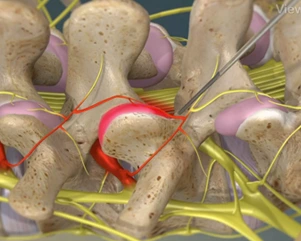
A herniated disc occurs when the soft inner material of a spinal disc pushes through a crack in the tougher outer part. This can cause nerve pain, numbness, or tingling in the back and legs. If you have pain that spreads, numbness, or weakness, it’s important to see a doctor soon, as these symptoms may need advanced imaging tests and special treatment.
Arthritis
 Arthritis, especially osteoarthritis, can affect the spine, leading to ongoing pain and stiffness. As arthritis gets worse, it can cause inflammation and swelling, affecting movement. If arthritis-related back pain disrupts daily activities or gets worse over time, seeing a healthcare professional is important for managing symptoms and preventing further problems.
Poor Posture
Poor posture, whether from sitting at a desk for long periods or slouching while standing, can contribute to back pain. Over time, poor posture can lead to muscle imbalances and strain. While improving posture through exercises and ergonomic changes can relieve mild pain, ongoing discomfort may mean you need professional evaluation to prevent long-term issues.
Recognizing these common causes of back pain can help you decide when to seek medical help. If your pain continues, gets worse, or is accompanied by other symptoms like unintended weight loss or bladder control problems, consulting a doctor can ensure timely diagnosis and effective treatment.
How Can Chronic Back Pain Affect Your Daily Life?
Chronic back pain can greatly affect different parts of your daily life, including physical limits, emotional challenges, and lifestyle changes. Understanding these effects can help you manage the condition better and find the right support.
Physical Limitations
 Chronic back pain often leads to reduced mobility, making it hard to do everyday activities like bending, lifting, or even walking. This limitation can affect your ability to stay active, possibly impacting your overall physical health. Ongoing pain may also lead to muscle weakness and decreased flexibility, making movement issues worse.
Emotional Challenges
Living with chronic back pain can affect your mental health. The constant discomfort and limits may lead to feelings of frustration, anxiety, and depression. Not being able to do activities you once enjoyed can contribute to a sense of isolation and lower quality of life. Addressing these emotional challenges is important, as mental health plays a big role in pain perception and management.
Lifestyle Changes
Chronic back pain often requires significant lifestyle changes. You may need to adjust your daily routine, avoid certain activities, or adopt ergonomic practices to reduce discomfort. These changes can affect your social life and work, possibly leading to financial strain if the pain impacts your ability to work.
Coping Strategies
To manage the impact of chronic back pain, consider using coping strategies such as physical therapy, mindfulness practices, and support groups. Doing gentle exercises and stretches can help improve mobility and reduce pain. Mindfulness and relaxation techniques can relieve stress and improve mental well-being. Connecting with others who face similar challenges can provide valuable support and encouragement.
By acknowledging and addressing the various effects of chronic back pain, you can take steps to improve your quality of life and manage the condition more effectively.
When to See a Back Pain Specialist
1. Persistent Pain Lasting Over a Week
Back pain that lasts more than a week is a clear sign to see a doctor. If there’s no improvement after a week of home care, scheduling a visit with a healthcare professional is wise. Intense or constant back or spine pain may signal a more serious condition needing professional evaluation. The pain lasts longer than expected, which further highlights the need for medical attention.
Most back pain usually gets better within a few days of self-care. However, severe pain that disrupts sleep or worsens while lying down requires immediate consultation. Ignoring persistent pain can lead to long-term issues, making treatment more challenging and significantly affecting daily life.
Back pain accompanied by symptoms like fever, unintended weight loss, or bladder and bowel control problems may indicate serious conditions needing prompt medical attention. Monitoring the duration of your back pain and any additional symptoms is vital for timely intervention.
2. Radiating Pain to Legs or Other Body Parts
Back pain radiating to your legs or other body parts often signals nerve root issues, such as herniated discs or spinal stenosis. If the pain extends down one or both legs, especially below the knee, seeking a medical evaluation is essential.
Numbness, tingling, or weakness in the legs accompanying radiating pain may suggest a herniated disc. Nerve compression can significantly impact mobility and quality of life.
Severe and persistent radiating pain, causing pain, may necessitate surgical evaluation if conservative treatments fail. Prompt medical attention can diagnose the underlying cause and outline the most effective treatment plan to relieve symptoms and enhance overall well-being.
3. Numbness, Tingling, or Weakness
Numbness, tingling, or weakness in the back or legs alongside back pain suggests potential nerve damage. If untreated, this could lead to permanent damage.
Nerve pain often manifests as a dull ache or shooting pain radiating from the lower back to the legs. Early diagnosis and treatment are emphasized by the National Institute of Neurological Disorders and Stroke to prevent long-term complications. Consulting a doctor early can manage symptoms effectively and prevent further deterioration.
Numbness and tingling after taking pain relievers indicate the need to call a doctor immediately. Ignoring these symptoms can worsen pain and diminish your ability to perform daily activities. Early intervention is key to managing nerve pain and enhancing quality of life.
4. Pain Following an Accident or Trauma
Back pain after an accident or trauma, such as a car accident or bad fall, should always be taken seriously. These incidents can cause back injuries ranging from mild sprains to severe conditions like spinal fractures or nerve compression. Immediate medical evaluation is crucial if back pain develops after an accident.
Intense back pain following an accident can result from sprains, disc degeneration, infections, fractures, or severe nerve compression. Serious injuries like a spinal fracture require prompt medical attention to prevent complications. Do not ignore early signs of a problem, such as redness and swelling.
Medical attention after an accident ensures underlying injuries are diagnosed and treated appropriately, preventing chronic pain and long-term issues. If you experience back pain following an accident, do not hesitate to see a doctor for a thorough evaluation.
5. Difficulty Controlling Bladder or Bowels
Loss of bladder or bowel control along with back pain requires immediate medical attention. This may indicate cauda equina syndrome, a serious condition where nerve roots at the lower end of the spinal cord are compressed, needing urgent medical care.
Bladder or bowel control problems with back pain indicate a serious issue requiring immediate medical attention. Early diagnosis and treatment are key to managing bladder control problems and preventing severe complications.
6. Unexpected Weight Loss with Back Pain
If you’re losing weight without trying and have back pain, it might be a sign of something serious like cancer. It’s important to see a doctor right away if you notice these symptoms.
Losing weight for no clear reason along with back pain needs a thorough check-up. If you’ve had cancer or other serious illnesses before, it’s even more important to see a doctor quickly to catch and treat any serious issues early. Don’t wait to get medical help if you see unexpected weight loss and back pain together.
7. Fever with Back Pain
Having a fever along with back pain might mean you have an infection, like a spine abscess, and you shouldn’t ignore it. If your fever is over 100.4 F and lasts more than two days with back pain, you need to see a doctor immediately. If the fever and pain don’t get better with medicine, it’s a sign you need to be checked out soon.
Ignoring a fever with back pain can lead to serious infections or other problems. Getting medical help early can help you see a doctor sooner and avoid complications, leading to better health.
8. When Home Treatments Aren’t Working
If self-care and home treatments aren’t helping your back pain, it’s time to see a back pain doctor. If your back pain doesn’t improve after four weeks of self-care, it’s a good idea to visit a healthcare professional for a full check-up. Home treatments like rest, ice packs, and over-the-counter pain medicines might need more medical help if they don’t work.
If pain continues down a leg, surgery might be needed if home treatments haven’t helped. Seeing a back and spine specialist ensures the cause of your pain is found and treated right, stopping long-term problems and improving your life.
How to Stop Back Pain from Getting Worse
Protecting your back and preventing pain from escalating requires healthy habits and proactive care. Here are simple tips to keep your spine in good shape:
- Maintain Proper Posture: Keep your shoulders aligned with your hips and use lumbar support when sitting. Avoid slouching or prolonged leaning.
- Strengthen Core Muscles: Engage in exercises like yoga or strength training to support your spine.
- Lift Properly: Bend at your knees, keep items close to your body, and avoid twisting.
- Stay Active: Incorporate low-impact activities like walking or swimming to maintain flexibility.
- Maintain a Healthy Weight: Excess weight strains your lower back, so aim for a balanced diet and regular exercise.
- Sleep Smart: Use a supportive mattress and sleep on your side with a pillow between your knees.
- Take Breaks: Avoid prolonged sitting by stretching and moving every 30 minutes.
- Manage Stress: Relieve muscle tension with relaxation techniques like meditation or massage.
If back pain persists, the specialists at Pain & Spine Physicians of San Antonio are here to help with personalized guidance and advanced treatments. Contact us today to take control of your pain and improve your quality of life!
Who to See for Back Pain?
If back pain persists despite rest or home remedies, it’s time to see a specialist. Choosing the right provider ensures an accurate diagnosis and effective treatment tailored to your needs. At Pain & Spine Physicians of San Antonio, we focus on identifying and treating the root cause of your pain using advanced, minimally invasive techniques.
Why See a Back and Pain Specialist?
Back and pain specialists are experts in managing complex and chronic back pain. They provide a comprehensive approach that goes beyond temporary relief, focusing on long-term solutions to improve your quality of life.
What to Expect During Your Visit
When you visit a back pain doctor, expect a full evaluation, including a look at your medical history and a physical exam. Your doctor will ask about your back pain, like when it started, what makes it worse, and what helps. This information helps find the cause and decide the best treatment plan.
Your doctor might suggest imaging tests like X-rays, MRIs, or CT scans to find structural issues or soft tissue damage. These tests show detailed images of your spine and help diagnose conditions like herniated discs, fractures, or infections.
Blood tests might also be ordered to find underlying conditions linked to back pain. A thorough evaluation helps your doctor create a personalized treatment plan for your needs.
Our approach starts with a full evaluation by our board-certified doctors and healthcare professionals, who are skilled in diagnosing and treating many back pain conditions. We use advanced tools, including imaging studies like X-rays and MRIs, to accurately find the issues, whether it’s a herniated disc, nerve pain, or other serious conditions.
Once we understand your condition, we create personalized treatment plans. Our goal is to reduce your pain, restore function, and prevent future problems, allowing you to return to daily activities with confidence.
Treatment Options Available
At Pain & Spine Physicians of San Antonio, we offer advanced, cutting-edge treatments to address back pain and its underlying causes. If your back pain persists, limits your mobility, or interferes with your daily activities, it’s time to seek professional care. Our team is dedicated to helping you find relief, restore function, and get back to enjoying the activities you love.
Advanced Treatments for Back Pain
Our minimally invasive techniques are designed to target the source of your pain, reduce inflammation, and restore function. Available treatments include:
- Steroid Injections: Reduce inflammation and pain in the affected area.
- Facet Joint Injections: Address pain originating from the small joints in the spine.
- Radiofrequency Ablation (RFA): Heat therapy to disrupt pain signals from affected nerves.
- Spinal Cord Stimulation (SCS): Implantable devices that send electrical signals to block pain perception.
- Kyphoplasty: A minimally invasive procedure to treat spinal fractures.
- Selective Nerve Root Blocks (SNRBs): Targeted injections to relieve nerve pain.
- Sciatic Nerve Blocks: For relief of pain stemming from the sciatic nerve.
- Discography: Diagnostic imaging to pinpoint the source of disc-related pain.
Why Choose Pain & Spine Physicians of San Antonio?
At Pain & Spine Physicians of San Antonio, we know back pain can greatly affect your life, from limiting movement to affecting your well-being. Our experienced team of specialists combines expertise and compassion to deliver personalized care. Whether your back pain is mild or severe, we prioritize finding the right treatment plan for you. From accurate diagnosis to effective pain relief, we aim to help you regain control of your life and return to the activities you enjoy.
We pride ourselves on providing caring service, ensuring every patient gets the attention and support they need throughout their treatment. Our commitment to advanced and personalized care makes us a trusted partner in your recovery.
Don’t let back pain control your life any longer. Let us help you regain control and improve your quality of life.
Contact Pain & Spine Physicians of San Antonio today at 210-634-1232 to schedule a consultation and take the first step towards a pain-free future.
Additional Resources
Educational Videos
Click On The Links Below To Watch Educational Videos


Book An Appointment
Fields Marked With An ” *” Are Required
1804 NE Interstate 410 Loop Ste 101
San Antonio, TX 78217
*This Site Follows The Standards And Practices Of HIPAA Compliance Laws*

© Copyright 2026 Pain & Spine Physicians of San Antonio. All rights reserved.
