
San Antonio General Pain Treatment Doctor
 At Pain & Spine Physicians of San Antonio, we know that dealing with chronic pain can be an intimidating and overwhelming journey. Whether it’s the persistent ache of arthritis, the widespread discomfort of fibromyalgia, or the sharp sting of neuropathic pain, these conditions can significantly impact your daily life and well-being.
Our team is here to guide you through understanding the symptoms, uncovering the causes, and exploring effective treatment options for your specific situation. With our comprehensive approach, we aim to provide not just relief, but also a path to reclaiming your quality of life.
If you’re struggling with chronic pain and seeking personalized care, our experienced professionals are ready to help. At Pain & Spine Physicians of San Antonio, your comfort and recovery are our top priorities.
Call us today at 210-634-1232 to schedule a consultation and take the first step towards a pain-free future.
What Is General Pain?

General pain is often categorized as a distressing sensory experience that serves as a warning signal for potential injury or health issues. It is a response from the nervous system indicating potential problems within the body, characterized by various unpleasant sensations such as sharpness or dullness.
Pain signals can be classified into two primary types: acute pain, which is short-term and often linked to a specific injury, and chronic pain, which persists beyond the expected healing time.
Acute pain is typically a sudden, sharp sensation that signals immediate harm and usually resolves once the underlying cause is treated. In contrast, chronic pain lasts longer than 12 weeks and can persist even after the initial injury or illness has healed.
Chronic pain serves no protective purpose and can lead to ongoing challenges and complications, significantly affecting an individual’s quality of life.
Common Pain Conditions
Chronic pain impacts millions of individuals. Approximately 50 million adults in the United States are living with this chronic pain condition. Understanding these conditions can help in developing effective pain management strategies and improving the quality of life for those affected.
Arthritis
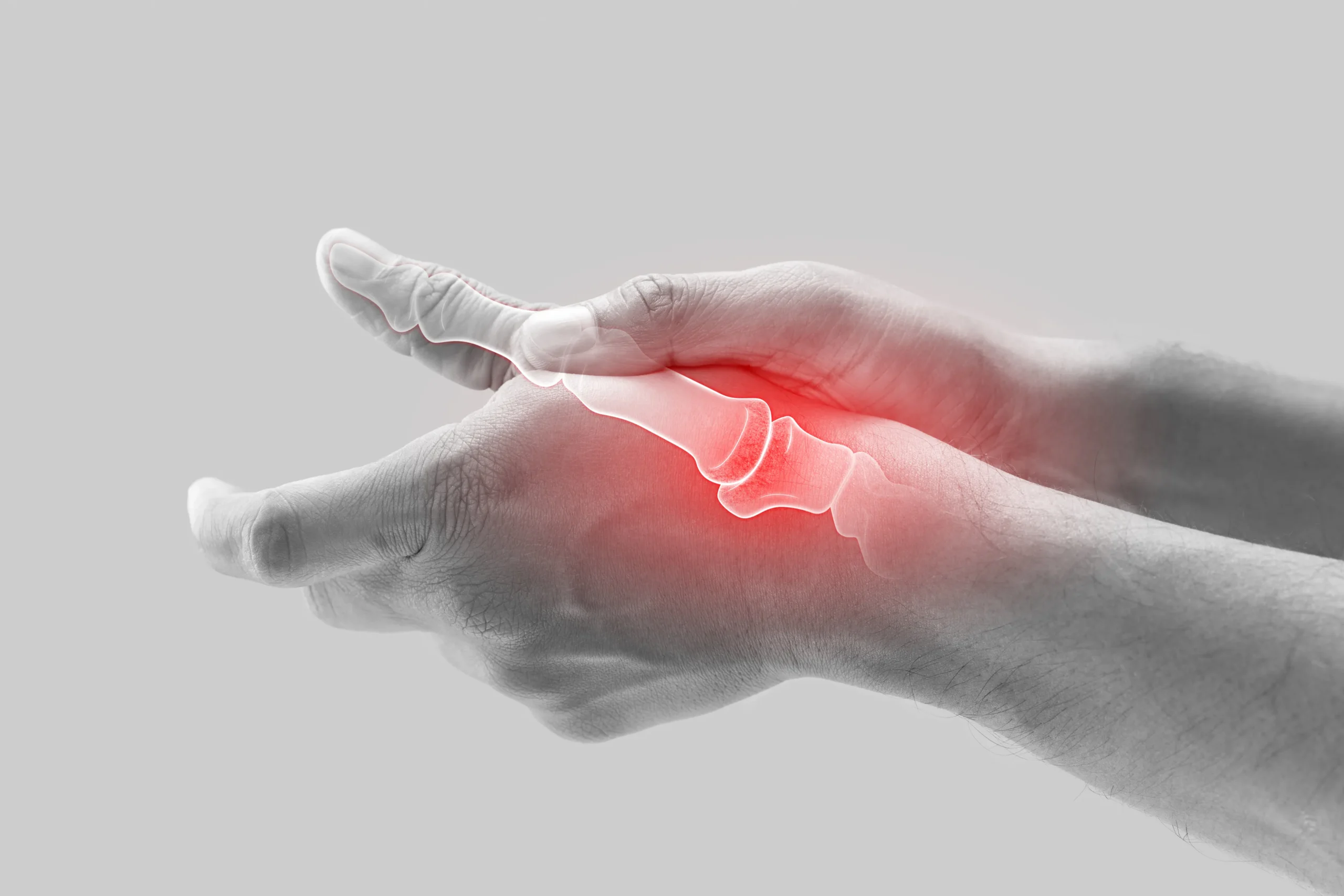 Arthritis is a common condition that affects millions of people, causing joint deterioration, swelling, stiffness, and pain, which can greatly limit mobility. It impacts about 24% of American adults, making it a major source of chronic pain. Arthritis comes in different forms, such as osteoarthritis and rheumatoid arthritis, each with its own causes and treatment approaches.
Managing arthritis involves a mix of treatments to relieve pain and improve joint function. Medications like NSAIDs and pain relievers are often used to reduce pain and swelling. Lifestyle changes, such as keeping a healthy weight and doing regular low-impact exercises, can help manage symptoms. In severe cases, treatments like corticosteroid injections or surgery might be needed to fix joint damage.
Fibromyalgia
Fibromyalgia is characterized by widespread musculoskeletal pain, fatigue, and sleep disturbances. This condition affects various aspects of daily life, making it challenging for individuals to maintain normal activities.
Neuropathic Pain
Neuropathic pain results from nerve damage or dysfunction, leading to intense, often debilitating pain. Identifying the root causes of neuropathic pain enables the development of effective management strategies.
Osteoarthritis
Osteoarthritis is a degenerative joint disease characterized by the breakdown of joint cartilage, causing pain and stiffness. This condition is common among older adults and can lead to significant mobility issues.
Shingles
Shingles, also known as herpes zoster, is a viral infection that causes a painful rash. It is caused by the reactivation of the varicella-zoster virus, the same virus responsible for chickenpox. After an individual recovers from chickenpox, the virus remains dormant in the nerve tissue near the spinal cord and brain. Years later, it can reactivate as shingles.
The rash typically appears as a single stripe of blisters that wraps around either the left or right side of the torso. However, it can occur anywhere on the body. Shingles can cause intense pain, itching, and other symptoms like fever, headache, and fatigue. The pain associated with shingles often precedes the rash and can persist even after the rash has healed, a condition known as postherpetic neuralgia.
Postherpetic Neuralgia
Postherpetic neuralgia is a complication of shingles that causes persistent nerve pain. This condition can significantly impact the quality of life, as the pain can be severe and long-lasting. Post-herpetic neuralgia management usually includes medications and therapies designed to reduce pain and enhance daily functioning.
Joint Pain
Joint pain can result from a variety of causes, including arthritis, past injuries, or chronic inflammation. Joint pain manifests as discomfort, swelling, and stiffness in the joints, and it can range from mild to severe, impacting one’s mobility and quality of life.
Managing joint pain typically involves a combination of pain management strategies such as medication, physical therapy, and lifestyle changes. Nonsteroidal anti-inflammatory drugs (NSAIDs) and analgesics are commonly prescribed to alleviate pain and reduce inflammation. In some cases, joint pain may require more advanced interventions, like corticosteroid injections or surgery, to address the underlying cause.
Osteoporosis
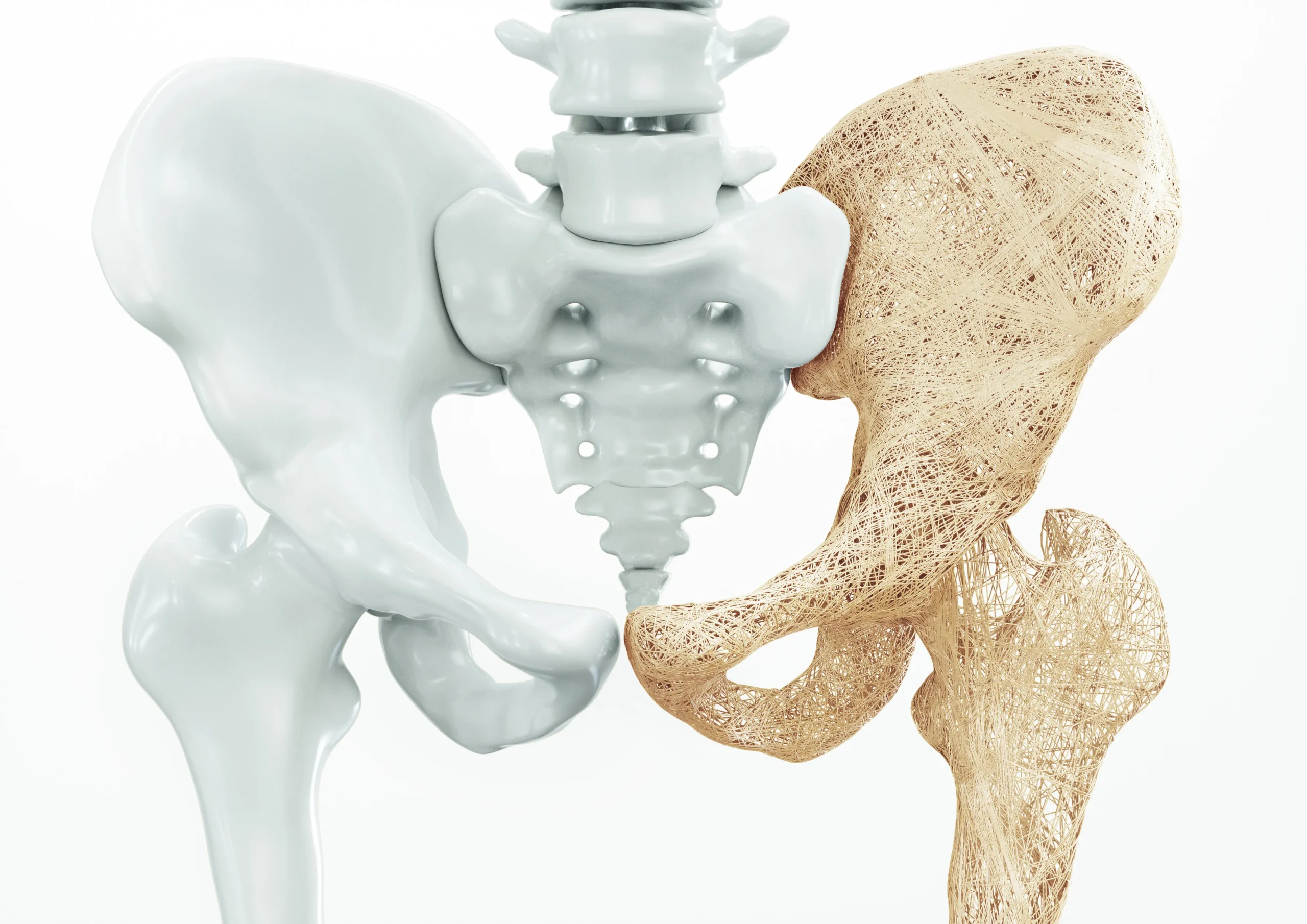 Osteoporosis is a condition characterized by weakened bones, making them fragile and more susceptible to fractures. This disease often progresses without obvious symptoms, until a fracture occurs. Osteoporosis primarily affects older adults, particularly postmenopausal women, due to decreased bone density over time.
The most common fractures associated with osteoporosis occur in the hip, wrist, and spine, leading to significant pain and disability. These fractures can severely impact daily life, reducing mobility and independence.
Managing osteoporosis involves a combination of lifestyle changes, medication, and regular monitoring.
Causes of Chronic Pain
Chronic pain can arise from various factors, including:
- Aging
- Nerve damage
- Injuries
- Diseases like rheumatoid arthritis, osteoarthritis, and fibromyalgia
Identifying these causes aids in creating effective pain management strategies and enhancing patient outcomes.
- Traumatic Injury: Injuries that do not heal properly can lead to long-term pain conditions, often referred to as chronic pain. A thorough patient history helps identify risk factors and past conditions influencing pain diagnosis and management.
- Inflammatory Pain: Chronic inflammation is a common cause of pain in autoimmune diseases such as rheumatoid arthritis. Inflammatory pain indicates underlying issues and increases pain perception, necessitating effective management to improve quality of life.
- Central Sensitization: Refers to the condition where the central nervous system becomes overly sensitive, amplifying chronic pain. This increased sensitivity affects the brain and spinal cord systems related to emotions, reward, motivation, attention, memory, and sensation, complicating pain management.
Diagnosing Pain Conditions
Chronic pain diagnosis requires patient history, physical exams, imaging tests, and clinical assessments. Since chronic pain can persist post-healing, accurate diagnosis is key to effective management.
- Patient History and Physical Exams: Physical exams assess range of motion, tenderness, and other indicators of specific pain conditions. Clinical assessments often include standardized questionnaires to evaluate pain intensity and its impact on daily functioning. Combined, these tools offer a comprehensive evaluation for accurate diagnosis.
- Imaging Tests: X-rays and MRIs are crucial imaging tools for visualizing internal structures to pinpoint pain sources. X-rays reveal bone structural issues, while MRIs diagnose soft tissue problems without ionizing radiation exposure.
- Clinical Assessments: Specialized tests in clinical assessments differentiate pain disorders and guide appropriate treatment. Accurate clinical assessments facilitate effective pain management and relief.
Treatment Options for Pain Management
At Pain & Spine Physicians of San Antonio, our pain doctors provide a comprehensive selection of treatment options for pain management, supporting patients in achieving lasting relief and improved quality of life. Treatments range from non-invasive therapies to advanced interventional procedures, along with holistic approaches tailored to meet each patient’s unique needs.
Common treatment options include:
Nerve Blocks and Injections
Targeted injections provide temporary but effective relief for localized pain. Common options include:
- Corticosteroid Injections: These reduce inflammation and alleviate pain, especially in conditions like arthritis.
- Nerve Blocks: Local anesthetics or steroids injected near nerves help manage pain in specific areas, such as the neck, back, or shoulder.
- Facet Joint Injections and Epidural Steroid Injections: These options address pain stemming from the spine by reducing inflammation in the joints or around the spinal nerves.
Minimally Invasive Procedures
For patients who do not respond to medications or physical therapy, minimally invasive procedures are available:
- Radiofrequency Ablation (RFA): This treatment uses heat to disrupt nerve signals, providing long-lasting pain relief.
- Spinal Cord Stimulation (SCS): SCS involves implanting a small device that sends electrical pulses to the spinal cord, altering pain signals before they reach the brain.
Regenerative Medicine
Emerging regenerative therapies, such as platelet-rich plasma (PRP) and stem cell injections, aim to repair damaged tissues and reduce pain naturally. These treatments show promise for conditions like arthritis and tendon injuries.
At Pain & Spine Physicians of San Antonio, our pain management doctors provide a personalized, patient-centered approach to ensure each individual receives the most effective combination of therapies for their unique pain management needs.
Living with Chronic Pain
Chronic pain sufferers must recognize that people who suffer chronic pain might not always be tied to detectable physical issues. Resilience to adapt and recover from challenges is essential for chronic pain sufferers. Lifestyle changes like diet adjustments or new exercise routines can alleviate pain. Anti-inflammatory diets and regular exercise enhance muscle strength, flexibility, and function, aiding pain management.
Contact Pain & Spine Physicians of San Antonio for the Pain Relief You Need
At Pain & Spine Physicians of San Antonio, we understand that each individual’s experience with pain is unique, and our goal is to provide comprehensive and personalized care to address your specific needs. Our team of board-certified doctors, physician assistants, and dedicated staff work collaboratively to create a pain management plan that is tailored to your unique situation. Whether you are dealing with acute pain resulting from a recent injury or managing chronic pain that has persisted for years, we are here to help you find relief and improve your quality of life.
Pain & Spine Physicians of San Antonio is committed to ensuring patient satisfaction by delivering the highest level of care. We combine cutting-edge medical techniques with compassionate, patient-centered care to help you overcome pain and regain control of your life.
If you’re ready to take the first step towards a pain-free future, we invite you to contact us today. Our experienced San Antonio pain doctors are eager to guide you on your journey to recovery and improved well-being. Don’t let pain control your life any longer—reach out to Pain & Spine Physicians of San Antonio and start your path to healing now.
Call us at 210-634-1232 to schedule a consultation and discover how we can help you live a more comfortable and fulfilling life.
Educational Videos
Click On The Links Below To Watch Educational Videos



Book An Appointment
Fields Marked With An ” *” Are Required
1804 NE Interstate 410 Loop Ste 101
San Antonio, TX 78217
*This Site Follows The Standards And Practices Of HIPAA Compliance Laws*

© Copyright 2026 Pain & Spine Physicians of San Antonio. All rights reserved.
