
San Antonio Epidural Steroid Injection Treatment
 Persistent back or neck pain that radiates into the arms or legs often signals nerve irritation rather than simple muscle strain. An epidural steroid injection is a treatment option designed to address inflammation at the source without immediately turning to surgery. When pain interferes with sleep, work, or daily movement, many people may benefit from this approach. This is especially common when rest, therapy, or medication has not provided lasting relief.
If you are exploring treatment options, you can speak with the Pain & Spine Physicians of San Antonio team by calling (210) 634-1232 or contacting us online to schedule an evaluation and discuss next steps.
Why Patients Choose Pain & Spine Physicians of San Antonio
 Our care model is built around precision, safety, and long-term improvement rather than temporary symptom relief. Every treatment decision is guided by accurate diagnosis and individualized planning.
Patients choose our practice because we offer:
- Board-certified physicians: All care is provided by experienced, board-certified doctors.
- Advanced in-office technology: Imaging-guided procedures performed in modern facilities.
- Non-surgical treatment options: Emphasis on safer alternatives to traditional surgery.
- Integrated care approach: Injections, rehabilitation, and follow-up coordinated under one roof.
- Patient accountability: Best outcomes are achieved when patients are engaged and compliant with their care plan.
This structure supports efficient, cost-effective care focused on meaningful recovery.
What Is an Epidural Steroid Injection?
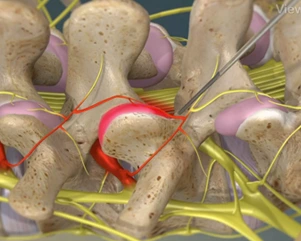
An epidural steroid injection is a minimally invasive procedure used to reduce inflammation around irritated spinal nerves. The medication is delivered into the epidural space, which surrounds the spinal cord and nerve roots. This area is often where swelling, chemical irritation, and nerve compression contribute to radiating pain.
Epidural steroid injections are commonly used when pain follows a nerve pathway, such as pain traveling down the leg or into the arm. By directly targeting inflammation, the injection can reduce pain intensity and improve function without altering the structure of the spine.
How an Epidural Steroid Injection Reduces Pain
Many spine-related pain conditions involve inflammation rather than structural instability alone. Disc injuries, degenerative changes, and spinal narrowing can irritate nearby nerves, triggering ongoing pain signals.
An epidural steroid injection works by delivering anti-inflammatory medication precisely to the site of nerve irritation. This localized approach allows the medication to calm inflamed tissue and reduce nerve sensitivity.
Benefits may include:
- Reduced nerve swelling: Less chemical irritation and pressure on nerve roots.
- Decreased pain signaling: Calmer nerves transmit fewer pain signals.
- Improved mobility: Reduced pain often allows greater movement and activity.
- Better tolerance for rehabilitation: Pain relief may support participation in physical therapy.
Conditions That May Respond to Epidural Steroid Injection
This treatment is typically considered when evaluation suggests nerve-related pain. Common conditions include:
- Herniated or bulging discs: Disc material may irritate nearby nerves.
- Spinal stenosis: Narrowing of the spinal spaces can compress nerve tissue.
- Degenerative disc changes: Inflammation from disc breakdown may trigger pain.
- Sciatic nerve irritation: Radiating pain from the lower back into the leg.
- Cervical nerve irritation: Neck-related pain extending into the shoulder or arm.
Because not all back or neck pain involves nerve inflammation, proper diagnosis is essential before recommending an injection. Identifying the correct pain generator helps avoid unnecessary procedures and improves the likelihood of meaningful relief.
What Happens During the Procedure
Epidural steroid injections are performed in an outpatient setting and typically take a short amount of time. Imaging guidance is used to help ensure accurate placement of the medication.
The process generally includes:
- Positioning: You are placed in a position that allows safe spinal access.
- Site preparation: The skin is cleaned and numbed for comfort.
- Imaging guidance: Fluoroscopy or similar technology helps guide needle placement.
- Medication delivery: Anti-inflammatory medication is injected into the epidural space.
Most patients return home the same day and resume light activity shortly afterward.
Recovery and Expected Results
The response to an epidural steroid injection varies with the condition being treated, the severity of inflammation, and individual factors. Some patients experience relief within a few days, while others notice gradual improvement over several weeks as inflammation subsides.
Recovery considerations include:
- Temporary soreness: Mild discomfort near the injection site may occur and typically resolves quickly.
- Activity modification: Light activity is usually encouraged, though heavy activity may be limited for a short time.
- Gradual improvement: Anti-inflammatory effects often build over time rather than appearing immediately.
- Variable duration: Relief may last weeks or months, depending on the underlying condition and contributing factors.
Epidural steroid injections are not designed to “cure” structural spine problems. Instead, they are used to reduce inflammation, improve comfort, and support functional recovery. Many patients experience the best results when injections are combined with physical therapy, guided movement, or other supportive care.
When This Treatment May Be Appropriate
An epidural steroid injection may be considered when:
- Pain persists despite conservative care
- Symptoms suggest nerve involvement rather than muscle strain alone
- Imaging supports inflammation or nerve irritation
- Pain limits daily activities, sleep, or work performance
- Surgery is not appropriate or desired at this stage
This treatment is often used to calm symptoms during flare-ups or to create a window of relief that allows progress with rehabilitation. In some cases, reducing inflammation early may help reduce the risk of pain becoming chronic or progressively limiting.
If ongoing back or neck pain is limiting your ability to work, move, or rest comfortably, a spine-focused evaluation can help determine whether an epidural steroid injection is appropriate.
Frequently Asked Questions About Epidural Steroid Injection
How Many Epidural Steroid Injections Are Safe?
The number and spacing of injections are individualized based on response and safety considerations.
What If the Injection Does Not Provide Relief?
If improvement is limited, further evaluation may be needed to reassess the diagnosis and explore other treatment options.
Who Should Not Receive an Epidural Steroid Injection?
Patients with active infection, certain bleeding disorders, or uncontrolled medical conditions may not be appropriate candidates. A thorough medical evaluation helps determine whether the procedure is safe.
How Soon Can I Return to Work After the Injection?
Most patients can resume normal activities within a day, though heavy physical labor may need to be limited briefly based on individual response and comfort.
How Should I Prepare for an Epidural Steroid Injection?
Preparation may include reviewing current medications, adjusting blood thinners if necessary, and arranging transportation. Our team provides specific instructions based on your medical history and treatment plan.
Talk With An Experienced Pain Doctor From Pain & Spine Physicians of San Antonio Today
Epidural steroid injections can be an effective option for managing nerve-related spine pain when used appropriately and guided by an accurate diagnosis. If you are considering this treatment and want clear guidance from the spine-focused medical team at Pain & Spine Physicians of San Antonio, call (210) 634-1232 or contact us online.
Educational Videos
Click On The Links Below To Watch Educational Videos



Book An Appointment
Fields Marked With An ” *” Are Required
1804 NE Interstate 410 Loop Ste 101
San Antonio, TX 78217
*This Site Follows The Standards And Practices Of HIPAA Compliance Laws*

© Copyright 2026 Pain & Spine Physicians of San Antonio. All rights reserved.
