What Should I Avoid with Back Pain?
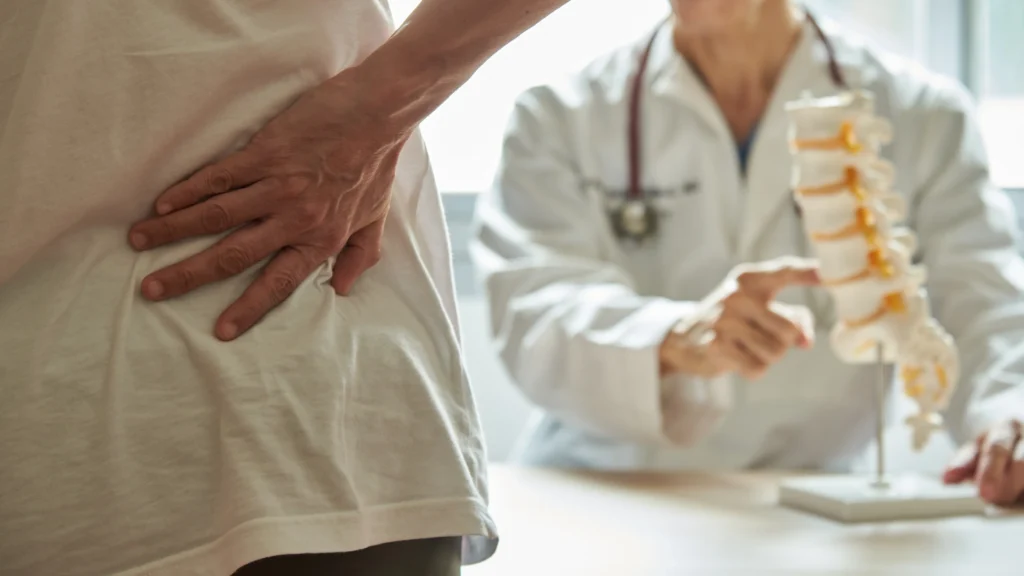 If you’re dealing with back pain, knowing what to avoid is important to prevent further irritation and help your back heal. From avoiding too much bed rest to steering clear of bad posture, making smart choices is important for preventing more irritation and helping your back heal.
If you need professional help tailored to your needs, consider contacting Pain & Spine Physicians of San Antonio. Our team is ready to help you with complete care and advanced treatment options.
Call 210-634-1232 today to start your journey to a life without pain.
Understanding Back Pain: Causes and Effects
Back pain is common and affects many people, often causing discomfort and making it hard to move. It can be a dull, constant ache or a sudden, sharp pain that makes moving difficult. Knowing what causes back pain and its effects is important for managing and preventing it.
What Causes Back Pain?
Back pain can come from several factors, including:
- Muscle or Ligament Strain: Lifting heavy things repeatedly or a sudden awkward movement can strain back muscles and ligaments, causing pain.
- Bulging or Ruptured Discs: Discs cushion the bones in your spine. If the soft material inside a disc bulges or ruptures, it can press on a nerve.
- Arthritis: Osteoarthritis can cause lower back pain by narrowing the space around the spinal cord, known as spinal stenosis.
- Skeletal Irregularities: Conditions like scoliosis, a curve in the spine, can lead to back pain.
- Osteoporosis: Bones become porous and brittle, leading to painful fractures in the spine’s vertebrae.
What to Avoid
Avoid Prolonged Bed Rest
Contrary to what you might think, spending too much time in bed can actually make your back pain worse. Long periods of bed rest lead to stiffness, muscle weakening, and more pain.
Doing light activities helps keep muscles strong and prevents stiffness, lowering the risk of long-term disability from back pain.
Instead of lying in bed, try adding regular physical activity to your routine. Light activities like walking or gentle stretching can keep your muscles active and flexible. Exercises focusing on the lower back and core, like wall sits, can improve posture and ease pain.
Stop Slouching
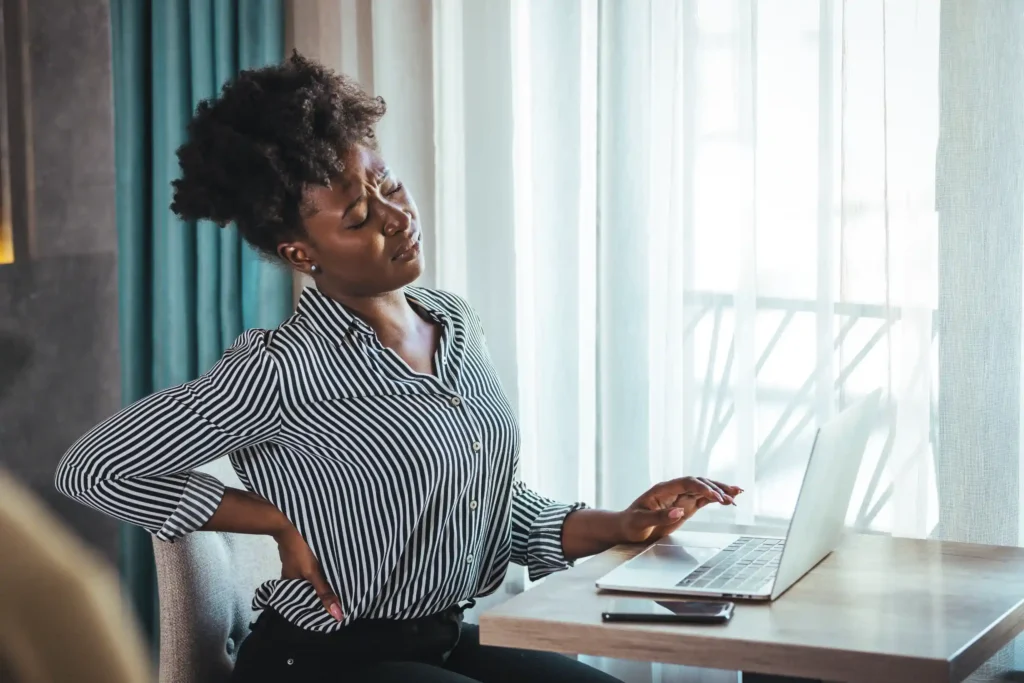 Bad posture, especially slouching, is a common cause of back pain. Sitting in one position for too long can overstretch spinal ligaments and strain the discs, putting more pressure on lower spine discs. To avoid this, it’s important to maintain good posture while sitting.
One way to sit correctly is by positioning your computer monitor about 6 inches below your eyes and using ergonomic furniture. This setup helps keep the natural curve of your spine and reduces strain on your back muscles.
Good posture isn’t just about sitting; it’s about how you move throughout the day. Using proper body mechanics can greatly reduce the risk of lower back pain. So next time you sit, stand, or bend, be mindful of your posture and make adjustments to protect your back.
Refrain from Heavy Lifting
Heavy lifting often causes lower back pain and can lead to serious back injuries. Lifting heavy things often or twisting your back quickly can strain muscles and ligaments, causing muscle aches and pain. To avoid this, it’s important to lift heavy objects correctly.
Use your leg muscles rather than your back muscles when lifting. This means bending at your knees and keeping the object close to your body. If an item is too heavy to lift alone, don’t hesitate to ask for help.
Lifting incorrectly can damage the tendons and muscles of the lower back, so always prioritize safe lifting techniques.
Avoid Repetitive Bending
Repetitive bending, especially forward bending, is a major cause of lower back pain. This repetitive motion can increase strain on the back, especially affecting the lumbar region. Over time, it can lead to further injury of muscles, tendons, and ligaments.
Include exercises that focus on backward bending to balance out the strain caused by forward bending and strengthen the muscles supporting your spine. When bending is necessary, always bend at the knees rather than at the waist to minimize stress on the lower back.
By being mindful of your movements and including low back exercises, you can reduce the risk of back pain and protect your spine from further injury.
Limit Sitting for Long Periods
Sitting for long periods can put a lot of stress on your back and neck, leading to ongoing back pain. Reduce discomfort by changing positions and walking around every 30 minutes.
Make it a habit to take breaks if you sit for long periods. When using a computer, take a 20-second break every 10 minutes to reduce back stress and prevent pain.
Regular physical activity helps protect your back and lowers the risk of ongoing pain. Your body is meant to move, not to sit still for hours, which is a principle often stressed in physical medicine.
Say No to High-Impact Exercises
 High-impact exercises can make back pain worse and lead to more injuries. Instead, choose low-impact aerobic activities that improve blood flow and keep your spine flexible. Walking, swimming, and using an upright stationary bike are great choices for back pain relief.
Water aerobics, in particular, provides resistance training while minimizing stress on the spine. Using machines like an elliptical trainer can mimic higher-impact activities without the associated risks to the back. A complete exercise program for back health should include aerobic activity, stretching, and strength training.
By choosing low-impact exercises, you can stay active without putting unnecessary strain on your back. These activities not only help relieve pain but also contribute to overall spinal health.
Quit Smoking
Smoking harms your spinal health. It restricts blood flow to spinal discs, speeding up degeneration and increasing the chance of lower back pain. Quitting smoking can greatly improve your overall health and reduce back pain symptoms.
Talk to a healthcare provider for a personalized plan to quit smoking. Quitting smoking improves both spinal health and overall well-being. Taking this step can be challenging, but the benefits outweigh the difficulties. Your back and body will thank you for making this positive change.
Avoid Wearing High Heels
Wearing high heels can change the natural alignment of your spine, increasing the risk of back pain. High heels shift your body’s center of gravity forward, causing an arch in the lower back which can lead to discomfort. Additionally, high heels can tighten muscles from the feet to the back, putting strain on the lower back.
Long-term use of high heels can lead to ongoing pain and discomfort due to increased stress on the spinal discs. Alternating between high heels and supportive shoes can help avoid back pain. Supportive, flat shoes are best for spinal health.
By making smart choices about your footwear, you can reduce the risk of back pain and improve your overall comfort.
Don’t Ignore Persistent Pain
See a healthcare provider if back pain lasts for more than a few weeks. Many people delay seeking help, often waiting months or years. Persistent back pain can rarely indicate something serious, so don’t ignore it.
Common tests for low back pain may not always reveal the exact cause. Professional advice ensures the right treatment and prevents the condition from worsening. Early intervention can greatly improve recovery and quality of life.
How Pain & Spine Physicians of San Antonio Can Help You
At Pain & Spine Physicians of San Antonio, we are committed to helping you overcome back pain and improve your quality of life. Our experienced team uses advanced methods like fluoroscopic and ultrasound-guided interventions to accurately diagnose and treat various pain conditions, including those affecting the musculoskeletal system and spine.
We know that each patient is unique, which is why our multimodal treatment approach is tailored to meet your specific needs, ensuring you receive the most effective and personalized care possible.
Our comprehensive range of services includes special procedures such as bursal injections and kyphoplasty, designed to relieve spine-related pain and improve mobility.
We also offer guidance on lifestyle changes, such as maintaining a healthy weight and including regular physical activity, to support your recovery and prevent future issues. Our team is skilled in advanced pain management techniques, focusing on reducing ongoing back pain and enhancing your overall well-being.
We pride ourselves on delivering compassionate care that aims to improve your quality of life. Our doctors are not only trained in the latest pain management techniques but are also dedicated to providing support and guidance throughout your treatment journey. By trusting us with your care, you are choosing a partner who is committed to helping you achieve pain relief and optimal spinal health.
Contact Us for Trusted Back Pain Guidance
Don’t let back pain control your life any longer. Reach out to Pain & Spine Physicians of San Antonio today at 210-634-1232 and take the first step towards a pain-free life. Our expert team is ready to help you find the relief you deserve.
Additional Resources
Educational Videos
Click On The Links Below To Watch Educational Videos


Book An Appointment
Fields Marked With An ” *” Are Required
1804 NE Interstate 410 Loop Ste 101
San Antonio, TX 78217
*This Site Follows The Standards And Practices Of HIPAA Compliance Laws*

© Copyright 2026 Pain & Spine Physicians of San Antonio. All rights reserved.
