
Other Pain Conditions In San Antonio
 Are you dealing with ongoing pain that interrupts your daily life and leaves you looking for answers? Understanding different pain conditions can be overwhelming. At Pain & Spine Physicians of San Antonio, we know the challenges that chronic pain brings, and we’re here to offer practical solutions tailored to your needs. Our experience in diagnosing and treating various pain conditions means you’ll receive the caring treatment you deserve. With a calm and confident approach, we aim to improve your quality of life through advanced pain management methods.
If you’re ready to manage your pain and explore personalized treatment options, contact Pain & Spine Physicians of San Antonio today at 210-634-1232. Our dedicated team is here to support you every step of the way, offering expert guidance and care to help you find relief and regain your life.
Pain Conditions and How They Affect Your Life

Chronic pain can be a difficult experience, affecting not just physical health but also emotional and social well-being. Many people with chronic pain find their daily lives disrupted, impacting their ability to work and interact socially. The hidden nature of chronic pain often leads to feelings of isolation, anxiety, and frustration, as others may not fully understand the extent of their symptoms. This can strain personal relationships, adding to stress and emotional distress, including generalized anxiety disorder.
Living with chronic pain also brings a big financial burden. The cost of treatments, medications, and therapies can add up quickly, leading to financial stress that makes things worse. Pain often complicates social activities, requiring careful planning to avoid worsening the pain. This constant need to manage and anticipate pain can be exhausting, affecting overall quality of life.
It’s important to understand that not all pain is the same, and different types require different management approaches. Working with pain management specialists from Pain & Spine Physicians of San Antonio helps individuals create personalized treatment plans, helping them take back control of their lives.
Cutting-Edge Pain Management Techniques
At Pain & Spine Physicians of San Antonio, we utilize the latest advancements in pain management, including nerve and joint injections, spinal injections, and other minimally invasive therapies. These treatments are designed to target the source of your pain, reduce inflammation, and improve your overall quality of life. Whether you’re dealing with chronic pain, neuropathic pain, spinal issues, or other conditions, our team is here to help you find relief and get back to doing the things you love.
Other Pain Conditions We Treat
 Our team of experienced pain treatment specialists is dedicated to providing personalized treatment plans for a wide range of pain conditions, aiming to alleviate discomfort, restore mobility, and improve overall well-being. Below are some of the other pain conditions we treat, offering advanced treatments to help you live life to the fullest.
Abdominal Pain
Abdominal pain is common but can be complex, significantly impacting daily life. This pain can range from mild discomfort to severe pain and can be caused by various factors, including digestive system issues and musculoskeletal pain. Effectively managing abdominal pain involves understanding its causes and exploring available treatments.
Causes of Abdominal Pain
One common cause of abdominal pain is irritable bowel syndrome (IBS), which can cause cramping, bloating, and changes in bowel habits. IBS symptoms are often linked to abnormal muscle contractions in the intestines, leading to discomfort and changes in stool consistency. Additionally, changes in gut bacteria may play a role in the symptoms experienced by individuals with IBS.
Severe infections, such as gastroenteritis, can also trigger abdominal pain and may even lead to the onset of IBS in some individuals. Other potential causes of abdominal pain include inflammatory conditions and chronic pain disorders. Finding the exact cause of abdominal pain can be challenging, but it is important for developing an effective treatment plan.
Complex Regional Pain Syndrome (CRPS)
Complex Regional Pain Syndrome (CRPS), also known as Reflex Sympathetic Dystrophy (RSD), is a condition marked by severe pain and inflammation that persists after an injury. This condition often results in prolonged pain that is usually more intense than the original injury and typically affects one arm or one leg.
Symptoms of CRPS
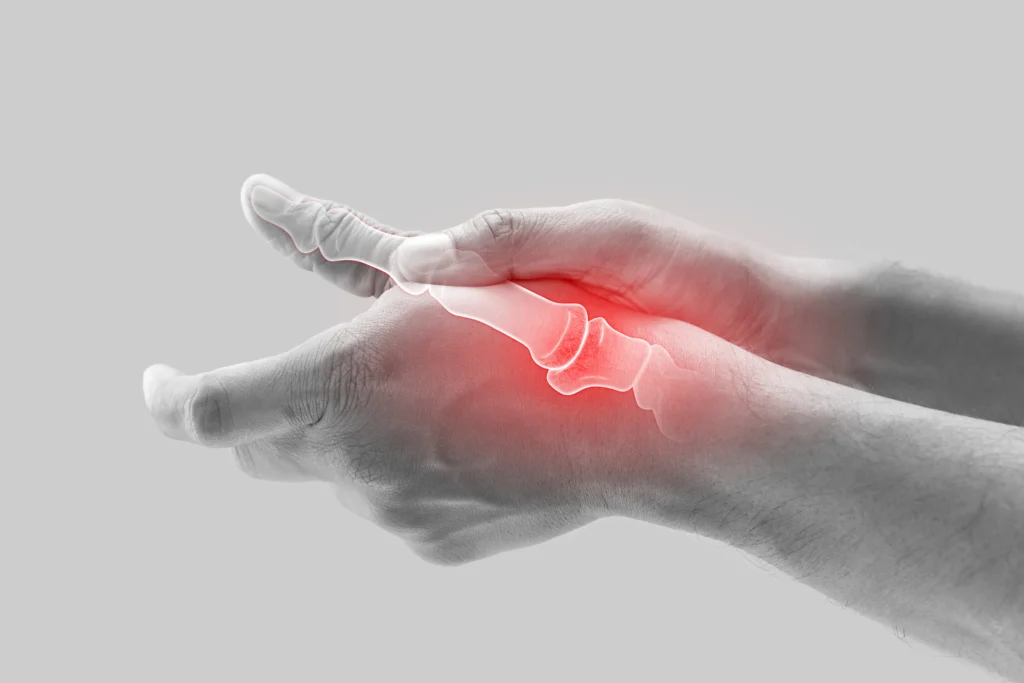 CRPS is characterized by severe burning pain that can fluctuate in intensity. Patients may also experience swelling in the affected area, along with changes in skin color and temperature. These symptoms can be distressing and significantly impact daily life, making it difficult to perform routine activities.
In addition to the physical symptoms, CRPS can also cause emotional distress due to the chronic nature of the pain. The intense and often disproportionate pain can lead to feelings of frustration and hopelessness, further complicating the management of the condition.
Diabetic Peripheral Neuropathy
Diabetic peripheral neuropathy is a type of nerve damage that affects individuals with diabetes, leading to chronic pain and discomfort. This condition can present as stabbing sensations, burning, shooting pain, and abnormal sensations like hot or cold. Identifying symptoms and exploring treatment strategies is crucial for effective management.
Recognizing Diabetic Peripheral Neuropathy
Diabetic peripheral neuropathy commonly causes nerve pain, numbness, tingling, and weakness. Nearly half of individuals with diabetes are affected by diabetic neuropathy, which can manifest as early as 10 years after diagnosis. Early recognition of these symptoms is essential for preventing further nerve damage and managing the condition effectively.
In addition to the physical symptoms, diabetic peripheral neuropathy can significantly impact an individual’s quality of life. The constant pain and discomfort can make it difficult to perform daily activities and enjoy life to the fullest. Therefore, early diagnosis and intervention are critical for improving outcomes.
Inguinal Neuralgia
Inguinal neuralgia is a condition characterized by sharp, shooting pain in the groin area, often triggered by specific movements or activities. This condition can be challenging to diagnose and manage, but understanding the symptoms and available treatment approaches can help alleviate the pain and improve quality of life.
Symptoms and Diagnosis
Patients with inguinal neuralgia typically experience sharp, shooting pain that may radiate to the groin and thigh. The pain can be severe and debilitating, making it difficult to perform everyday activities. Diagnosis of inguinal neuralgia involves a detailed medical history, physical examination, and imaging studies like ultrasound to rule out other potential causes of groin pain.
Accurate diagnosis is key to developing an effective treatment plan. By thoroughly examining the patient’s medical history and conducting a physical examination, healthcare providers can identify the underlying cause of the pain and recommend appropriate treatments.
Intercostal Neuralgia
Intercostal neuralgia is nerve pain that occurs between the ribs, often due to injury, surgery, or viral infections. This condition can cause sharp, stabbing pain and make breathing difficult, so it’s important to recognize and treat the symptoms.
Identifying Intercostal Neuralgia
People with intercostal neuralgia usually feel sharp, stabbing, or burning pain in the rib area. The pain may get worse when breathing, coughing, or sneezing, making daily activities challenging.
Correctly identifying intercostal neuralgia is important for proper treatment. Doctors need to carefully check the patient’s symptoms and medical history to find out what’s causing the pain and suggest suitable treatments.
Myofascial Pain Syndrome
Myofascial pain syndrome is ongoing muscle pain caused by sensitive trigger points. This condition can cause lasting discomfort and affect daily activities. Understanding myofascial pain syndrome and exploring treatments is key to managing it effectively.
Understanding Myofascial Pain Syndrome
Myofascial pain syndrome happens when pressure or repetitive motion creates sensitive spots in the muscle, called trigger points. These points can cause pain in the affected muscle and other areas, known as referred pain. This type of pain can become long-lasting, leading to discomfort and affecting quality of life.
Factors like poor posture, stress, and lack of physical activity can make the condition worse. Skipping physical therapy exercises can weaken muscles over time, adding to the pain. Recognizing and addressing these factors is important for managing myofascial pain syndrome.
Phantom Limb Pain
Phantom limb pain occurs after an amputation, where pain is felt in a limb that is no longer there. This condition can be distressing, as the pain feels real despite the missing limb. Identifying causes and exploring management techniques is essential for easing phantom limb pain.
Causes of Phantom Limb Pain
Phantom limb pain is often due to miscommunication in the nervous system after amputation, leading to false pain signals. Neurological responses can make it feel like the missing limb is in pain. Although the exact cause isn’t fully understood, these miscommunications are thought to play a big role.
This condition shows the complex nature of pain and the role of the central nervous system in feeling pain. Understanding these processes is important for developing effective treatments and providing relief for those with phantom limb pain.
Reflex Sympathetic Dystrophy (RSD)
Reflex Sympathetic Dystrophy (RSD), also known as Complex Regional Pain Syndrome Type I, leads to severe, ongoing pain and physical changes in the affected limb. Recognizing symptoms and exploring treatment options is important for managing this challenging condition.
Symptoms of RSD
RSD is marked by constant, intense pain that often exceeds the severity of the initial injury. Common symptoms include severe, ongoing pain, swelling, and changes in skin temperature and texture. Patients may also experience significant swelling, skin color changes, and increased sensitivity in the affected area.
These symptoms can greatly impact daily life, making routine activities difficult. The extreme sensitivity to touch and ongoing burning pain can be very distressing, further complicating the management of RSD.
How Pain & Spine Physicians of San Antonio Can Help You
At Pain & Spine Physicians of San Antonio, we understand how chronic pain affects your life. Our team of pain management specialists uses advanced techniques, like fluoroscopic and ultrasound-guided procedures, to target various pain syndromes effectively. We focus on a multi-modal approach, creating treatment plans to meet each patient’s unique needs.
Our caring approach ensures that patients feel supported throughout their pain management journey. We include professionals like Nurse Practitioners and a pain management specialist who work with patients and manage acute pain through personalized treatment strategies. Our advanced imaging techniques allow for precise interventions, providing targeted relief for conditions like chronic back pain, neck pain, and joint pain.
Contact Us for Comprehensive Care for Pain Relief
At Pain & Spine Physicians of San Antonio, our goal is to provide effective, comprehensive pain management solutions tailored to your specific needs. Whether you are dealing with musculoskeletal pain, neuropathic pain, or any other type of chronic pain condition, our specialists are dedicated to helping you regain control over your life. We utilize the latest in diagnostic techniques and treatments to provide the most effective, minimally invasive options to relieve pain and improve your quality of life.
If you are struggling with any of the conditions mentioned above, or if you have any other pain concerns, please don’t hesitate to contact us to schedule an appointment. Together, we can work toward a pain-free future
Take the first step towards a pain-free life by contacting us today at 210-634-1232.
Educational Videos
Click On The Links Below To Watch Educational Videos


Book An Appointment
Fields Marked With An ” *” Are Required
1804 NE Interstate 410 Loop Ste 101
San Antonio, TX 78217
*This Site Follows The Standards And Practices Of HIPAA Compliance Laws*

© Copyright 2026 Pain & Spine Physicians of San Antonio. All rights reserved.
