
How Do I Know If I’m a Candidate for the Discseel® Procedure?
 How do I know if I’m a candidate for the Discseel Procedure? If you have chronic back pain, sciatica, or degenerative disc disease, you could be eligible. Learn about the main symptoms, how doctors diagnose the condition, and what medical history factors matter for candidacy.
At Pain & Spine Physicians of San Antonio, our team of experts is focused on helping you explore advanced treatment options like the Discseel® Procedure, which aims to repair and regenerate damaged spinal discs. We handle each case with a methodical approach, ensuring you receive the support needed to make informed choices about your health.
Our skilled professionals are ready to discuss your symptoms, assess your condition, and decide if the Discseel Procedure is the right choice for you. Don’t let chronic pain dictate your life—reach out today to see how we can assist you on your path to recovery.
If you’re ready to take control of your back pain, contact Pain & Spine Physicians of San Antonio at 210-634-1232.
Understanding the Discseel® Procedure
The Discseel® Procedure is an innovative treatment aimed at fixing problems with spinal discs, specifically focusing on annular disc tears. Unlike traditional methods that might use metal implants, this procedure uses a mix of Fibrin and Platelet-Rich Plasma (PRP) to seal tears and kickstart the body’s natural healing process.
A key advantage of the Discseel® Procedure is its effectiveness and minimal invasiveness. The procedure usually takes about 30 minutes, with many patients feeling significant pain relief within 3 to 6 months. The absence of metal implants reduces the risk of complications and supports natural disc healing.
The treatment focuses on disc regeneration and healing, making it a good option for those suffering from degenerative disc disease, disc tears, and other related issues. By addressing the root cause of disc pain, the Discseel® Procedure serves as a promising alternative to more invasive spinal surgeries.
How Is the Discseel® Procedure Performed?
The Discseel® Procedure is a modern treatment designed to fix damaged spinal discs using minimally invasive methods. Here’s a simple breakdown of how this procedure is done:
- Initial Consultation and Assessment: Before the procedure, a detailed consultation is held to check the patient’s symptoms and medical history. Diagnostic imaging, like MRI or CT scans, is used to spot the exact areas of disc damage.
- Preparation for the Procedure: On the procedure day, patients are prepared in a sterile setting. Local anesthetic is given to keep them comfortable during the treatment.
- Use of Imaging Technology: The procedure is guided by advanced imaging technology, such as fluoroscopy, to precisely locate the damaged spinal discs. This ensures accurate delivery of the treatment materials to the targeted areas.
- Minimally Invasive Technique: A small needle is inserted into the affected disc under imaging guidance. The physician then injects a combination of Fibrin and Platelet-Rich Plasma (PRP) into the disc. These substances work to seal annular tears and promote natural disc regeneration.
- Completion and Recovery: The entire procedure typically takes around 30 minutes. Patients are monitored briefly post-procedure before being allowed to leave, usually on the same day.
- Post-Procedure Expectations: Recovery from the Discseel® Procedure is generally quick, with most patients able to walk normally within 24 hours. While some mild and temporary discomfort may be experienced, significant pain relief is often reported within 3 to 6 months as the discs heal and regenerate.
The Discseel® Procedure provides a less invasive option compared to traditional spine surgeries with faster recovery times and fewer complications.
Symptoms and Conditions Indicating a Need for the Discseel® Procedure
 Chronic lower back pain lasting more than six months is a common sign of underlying disc issues. Many patients seeking relief from persistent pain, both physically and emotionally draining, may find hope in the Discseel® Procedure.
Disc problems like annular tears can lead to Leaky Disc Syndrome, a frequent cause of back pain that can radiate to the arms and legs, depending on the affected spinal disc. Another common symptom of disc issues is sciatica pain, which occurs when gel leaks from the spinal discs, inflaming the sciatic nerve root and causing severe discomfort and numbness.
The Discseel® Procedure is also beneficial for individuals suffering from bulging, slipped, or herniated discs, as well as degenerative disc disease. Those who have had unsuccessful back surgeries or experienced a back injury disrupting daily activities and sleep could also benefit from this procedure. Even if you’ve had spinal fusions, metal implants, or failed back surgeries, the Discseel® Procedure may provide the relief you’re seeking.
Your overall health and activity level play a significant role in determining if this treatment is right for you.
Evaluating Your Medical History
Looking at your medical history is an important step in deciding if the Discseel® Procedure is right for you. We consider past treatments and conditions to create a treatment plan that fits you best. By reviewing your medical records, we can understand any underlying issues before moving forward with the Discseel® Procedure. Previous surgeries or treatments help us adjust the procedure for the best results.
Some factors in your medical history might mean the Discseel® Procedure isn’t the best choice for you. These can include:
- Severe Osteoporosis: This condition may weaken the bones, affecting the treatment.
- History of Infections: Certain infections might impact the procedure’s success.
- Autoimmune Diseases: These could interfere with the body’s ability to heal.
- Extensive Scar Tissue: Having had many surgeries before might make this treatment difficult.
Remember, every situation is different. Having these conditions doesn’t automatically mean you can’t have the procedure. We recommend setting up an appointment with the Pain & Spine Physicians of San Antonio to talk about your specific medical history and symptoms.
Our team will do a full check-up to see if this procedure is right for you and make sure you get the best care. Always talk to our specialists to confirm your eligibility and explore all the options that suit your health needs.
Diagnostic Tests for Determining Candidacy
To see if you’re a good fit for the Discseel® Procedure, several diagnostic tests are performed. One key test is the Annulogram, which finds disc damage without causing pain, unlike discograms.
Annulograms can show small tears in the disc that might not appear on regular MRI scans, which is important for early detection and preventing further damage. Imaging tests like MRI or CT scans are often used to confirm disc degeneration or herniation.
These tests are essential for spotting minor disc issues that could worsen. Early detection allows for a more effective, personalized treatment plan.
Advantages of the Discseel® Procedure
- Minimally Invasive: No need for large incisions or lengthy recovery times.
- Fibrin Biologic: A natural material that promotes healing and seals damaged discs.
- Improved Mobility and Pain Relief: Many patients report significant improvement in their ability to perform daily activities.
- Avoids Spinal Fusion: Reduces the risk of complications associated with traditional surgeries.
Preparing for the Discseel® Procedure
 Preparing for the Discseel® Procedure can ensure a smooth experience and successful outcome. Here are things to help you get ready:
- Complete the Discseel® Procedure Application: Start by filling out the application form. This document collects essential information about your medical history, current medications, and any allergies. It helps the medical team tailor the procedure to your specific needs.
- Consultation with Your Primary Care Provider: Schedule a meeting with your primary care provider to discuss your decision to undergo the Discseel® Procedure. They can offer valuable insights and address any concerns you may have.
- Diagnostic Tests: Expect to undergo diagnostic tests such as MRI or CT scans. These tests will help identify the exact location and extent of disc damage, ensuring precise treatment.
- Fasting and Medication Adjustments: You may be instructed to fast for a certain period before the procedure. Additionally, some medications might need to be paused or adjusted. Follow these instructions carefully to minimize risks and enhance the procedure’s effectiveness.
- Arrange Transportation: As the procedure involves local anesthetic and mild sedation, arrange for someone to drive you home afterward. This ensures your safety and comfort post-procedure.
- Understand the Procedure Steps: Familiarize yourself with what to expect during the procedure. Knowing the steps can alleviate anxiety and help you feel more prepared.
What to Expect During the Procedure
- Arrival and Preparation: On the day of the procedure, you’ll arrive at the facility where the medical team will review your application and confirm all details. You’ll then be prepped in a sterile environment.
- Local Anesthetic Administration: A local anesthetic will be applied to the treatment area to ensure you remain comfortable throughout the procedure.
- Imaging and Needle Insertion: Advanced imaging technology, like fluoroscopy, will guide the physician in precisely locating the damaged spinal discs. A small needle is then inserted into the affected area.
- Injection of Fibrin and PRP: The physician will inject a combination of Fibrin and Platelet-Rich Plasma (PRP) into the disc. These substances help seal annular tears and promote natural disc regeneration.
- Completion and Monitoring: The entire procedure typically takes about 30 minutes. Afterward, you’ll be monitored briefly to ensure there are no immediate adverse reactions.
- Post-Procedure Care Instructions: Before leaving, you’ll receive detailed post-procedure care instructions. These guidelines are crucial for a smooth recovery and optimal healing.
Post-Procedure Expectations and Recovery
After the Discseel® Procedure, most patients can expect a smooth recovery process. Most can walk normally within 24 hours, although the healing process continues for up to 12 months. Arrange for someone to drive you home after the procedure.
Improvement in back pain is often noticed within weeks, allowing a return to daily activities and walking within days. However, avoid activities involving bending or rotating the lower back for optimal recovery.
Long-term results are positive, with many patients experiencing increased height, reduced pain, and improved participation in physical activities. No long-term or serious negative side effects have been reported, making this a reliable option.
How We Can Help You
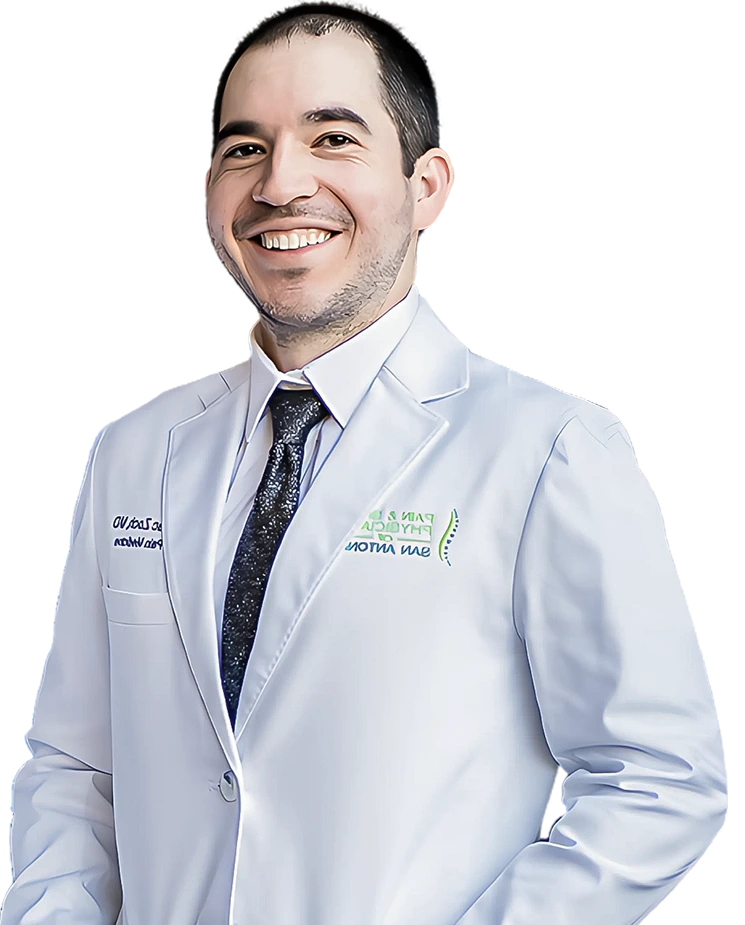 At Pain & Spine Physicians of San Antonio, we focus on providing advanced treatments for chronic back pain, including the Discseel® Procedure. Our minimally invasive approach allows patients to resume normal activities quickly, often within just 24 hours.
For those who have experienced unsuccessful outcomes from previous spine surgery, our innovative techniques can offer new hope. We focus on stabilizing the spine and alleviating spinal nerve pressure, providing a comprehensive solution to chronic pain. A failed spinal procedure reported can lead to further complications, but we aim to address these issues effectively with spinal fusions.
We tailor our consultations to address each patient’s unique needs, ensuring you receive the most effective treatment plan for your condition. We strongly advise patients to regain their quality of life through compassionate and expert physical therapy care.
Consultation Process at Pain & Spine Physicians of San Antonio
Our consultation process thoroughly evaluates your suitability for the Discseel® Procedure. During the one-on-one session, we discuss your pain symptoms, previous tests, and post-procedure goals, ensuring all aspects of your medical history are addressed.
We aim to identify the source of your pain and explain potential methods of alleviation. Diagnostic tests, such as discograms, may be performed to provoke symptoms and pinpoint the exact source of your discomfort. A comprehensive evaluation helps develop an effective treatment plan. Our consultations focus on understanding your unique situation and tailoring a solution for maximum relief.
Take the First Step Toward Pain Relief
 If you’re experiencing chronic back pain and are curious about whether you’re a candidate for the Discseel® Procedure, don’t wait any longer to find relief. Our dedicated team is ready to evaluate your condition, discuss your symptoms, and guide you through the available treatment options. Take the first step towards a pain-free life by scheduling your consultation now.
Contact Pain & Spine Physicians of San Antonio today at 210-634-1232.
Educational Videos
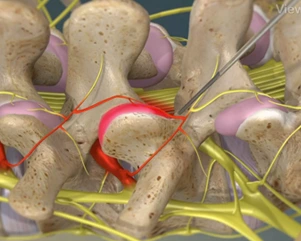
Click On The Links Below To Watch Educational Videos


Book An Appointment
Fields Marked With An ” *” Are Required
1804 NE Interstate 410 Loop Ste 101
San Antonio, TX 78217
*This Site Follows The Standards And Practices Of HIPAA Compliance Laws*

© Copyright 2026 Pain & Spine Physicians of San Antonio. All rights reserved.
