
Five Exercises To Strengthen Your Pelvic Floor
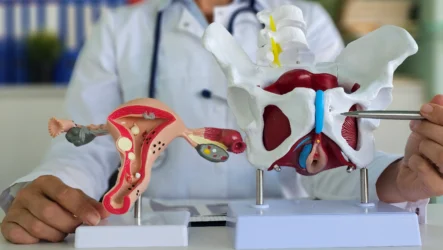
Five of the most effective exercises for a stronger pelvic floor are Kegels, glute bridges, squats, the bird dog, and deep diaphragmatic breathing. Done a few times a week, this simple routine can improve bladder and bowel control, support your core, and ease the pressure and leaking that many people quietly live with. Pelvic floor muscle training is the first-line treatment for bladder control problems for both women and men, and you can start most of these moves at home today.
A weak pelvic floor is more common than people think, and it often shows up in ways that are easy to miss. You may benefit from this routine if you notice:
- Leaking urine when you cough, sneeze, laugh, or lift
- A sudden, strong urge to go that is hard to hold
- Pressure or heaviness in the pelvis
- Reduced control of gas or stool
- Less comfort or sensation during intimacy
What Weakens the Pelvic Floor
These muscles support the bladder, bowel, and, for women, the uterus, so a lot of everyday life puts strain on them. Pregnancy and childbirth stretch and load the pelvic floor, and the effects can linger for months or years. Aging, menopause, and surgery in the pelvic area all reduce strength over time. Chronic coughing, ongoing constipation and straining, heavy lifting, and carrying extra body weight add steady pressure that wears the muscles down. High-impact activity without good core control can do the same.
The good news is that these muscles respond to training at almost any age, so the routine below is worth starting now.
Your Pelvic Floor Strengthening Routine
1. Kegels
Kegels are the foundation. To find the right muscles, imagine stopping the flow of urine or holding in gas. Squeeze those muscles, hold for three to five seconds, then relax for the same amount of time. Aim for 10 repetitions, two or three times a day. Keep your stomach, thighs, and buttocks relaxed so the effort stays targeted to the pelvic floor. If you are not sure you are doing them correctly, a provider can check your form and make sure the contraction is landing in the right muscles.
2. Glute Bridges
Bridges build the muscles around the pelvis that work alongside the pelvic floor. Lie on your back with your knees bent and feet flat. Squeeze your glutes and lift your hips toward the ceiling, adding a gentle Kegel at the top. Hold for a few seconds, then lower slowly. Start with 10 repetitions and build from there.
3. Squats
Squats train the pelvic floor as part of your whole lower body. Stand with your feet shoulder-width apart, lower your hips back and down as if sitting into a chair, and keep your chest up. Rise back to standing and squeeze your pelvic floor as you come up. Begin with 8 to 10 slow, controlled reps and focus on form over depth.
4. Bird Dog
The bird dog links pelvic floor control to a stable core. Start on your hands and knees. Tighten your pelvic floor and core, then reach one arm forward and the opposite leg back until both are level with your body. Hold briefly, return, and switch sides. Move slowly so your hips stay steady. Try 8 to 10 reps per side.
5. Diaphragmatic Breathing
Deep belly breathing helps the pelvic floor relax and contract in a healthy rhythm, which matters just as much as strength. Lie down or sit comfortably. Breathe in slowly through your nose so your belly rises and your pelvic floor softens. As you breathe out, gently draw the pelvic floor up. This teaches the muscles to move with your breath instead of staying clenched all day.
Get the Most From Your Routine
Consistency beats intensity with pelvic floor work. A few habits go a long way:
- Timing: Attach your exercises to something you already do daily, like brushing your teeth.
- Form: Never hold your breath during a contraction.
- Balance: Learn to fully relax the muscles, not just squeeze. A pelvic floor that stays too tight causes its own set of problems, separate from weakness.
- Patience: Give it 6 to 12 weeks of steady practice before you judge the results.
If you have pain during these exercises, leaking that is getting worse, or you are not sure you are targeting the right muscles, hands-on guidance can make all the difference. A provider can check your form in person and adjust the routine to your body.
Ready for Personalized Pelvic Floor Care?
If home exercises are not giving you the relief you want, our team can find out why and build a plan around your goals. Pain & Spine Physicians of San Antonio is here to help you move, live, and feel better. Call [phonenumber] or contact us online to schedule your visit.
Educational Videos
Click On The Links Below To Watch Educational Videos


Book An Appointment
Fields Marked With An ” *” Are Required
1804 NE Interstate 410 Loop Ste 101
San Antonio, TX 78217
*This Site Follows The Standards And Practices Of HIPAA Compliance Laws*

© Copyright 2026 Pain & Spine Physicians of San Antonio. All rights reserved.
