
What’s in the ‘Magic Spray’ World Cup Players Use, and Does it Really Work?
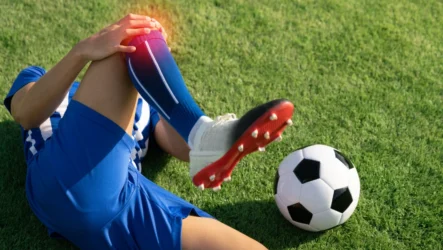
The “magic spray” you see trainers use at the World Cup is a vapocoolant, a skin refrigerant that usually contains ethyl chloride or a similar fast-evaporating chemical. It works by rapidly chilling the surface of the skin, which briefly numbs the nerve endings there. The relief is real, but it is also shallow and short-lived, typically lasting about a minute. The spray does not heal anything. It masks pain long enough for a player to shake off a knock and get back on the field.
With World Cup matches on screens across San Antonio this summer, plenty of fans, weekend players, and youth soccer parents asked the same question, whether they call the sport soccer or football: what is that stuff, and should you keep a can in your gym bag? Here is what the spray actually does, where it falls short, and when a sports injury calls for more than a cold blast from an aerosol can.
What Soccer Magic Spray Actually Contains
The exact formula varies by brand, but most cans rely on one or more of the following ingredients:
- Ethyl chloride: A fast-evaporating liquid that the U.S. Food and Drug Administration (FDA) classifies as a vapocoolant. It is the classic “cold spray” ingredient and is also used in medical offices to numb skin before injections.
- Methyl salicylate: A counter-irritant that creates a competing hot-and-cold sensation on the skin. It is the same ingredient found in over-the-counter rubs like Bengay, and it distracts the brain from the original pain.
- Butane, pentane, or similar propellant blends: Some consumer versions use these fast-evaporating compounds instead of ethyl chloride to produce the same rapid cooling effect.
Ethyl chloride is the workhorse. According to the National Library of Medicine, it boils at about 54°F, well below the temperature of human skin. It sits in the can as a liquid, and the moment it hits your leg, it flashes into vapor.
How a Few Seconds of Cold Blocks Pain
That instant evaporation is the whole trick. As the liquid turns to gas, it draws heat away from your skin, dramatically lowering the surface temperature for a few seconds. The sudden cold stuns the nerve endings near the surface, briefly halting their pain signals to the brain.
The numbing effect from a proper application lasts about a minute. That is often enough for a player to test the leg, decide the knock was superficial, and jog back into position. Adrenaline and the pressure of a high-stakes match do the rest. Some sports medicine professionals also point to a strong placebo component. The ritual of the trainer running out and applying the spray can be as powerful as the chemistry inside the can.
What the Spray Can and Cannot Do
Does it really work? Yes and no, and the difference matters if you are thinking about using it yourself.
For brief, surface-level pain relief, it works. Physicians use vapocoolants in clinics every day to take the sting out of needle sticks, and the cooling effect on a bruised shin or a stinger from a hard tackle is genuine.
As a treatment, it does nothing. The cold only penetrates the skin’s surface. It does not reach a strained muscle, a sprained ligament, or an inflamed tendon, and it does not affect swelling, tissue damage, or healing. When a player pops up seconds after being sprayed, one of two things is usually true: the injury was minor to begin with, or the pain is being masked while the underlying problem remains. Playing through a masked injury can turn a small problem into a bigger one before the numbness even wears off.
The Risks of Using Cold Spray on Your Own
Consumer versions of these sprays are easy to buy online or at drugstores, but they are not risk-free. Before you spray down your kid’s ankle at a Saturday tournament, keep these hazards in mind:
- Frostbite: Holding the spray on one spot too long can freeze and damage the skin. Medical guidance limits application to just a few seconds.
- Skin discoloration: Over-application can permanently alter skin pigmentation in the treated area.
- Broken skin: These sprays should never be used on cuts, scrapes, or open wounds, which are common in soccer.
- Flammability: Ethyl chloride is highly flammable and should be kept away from any flame or heat source.
- Reduced sensation conditions: People with diabetes, circulatory problems, or impaired skin sensation can be injured without feeling it.
- Masked warning signs: Pain exists to stop you from making an injury worse. Numbing it and continuing to play removes that protection.
Trained athletic staff know how long to spray, where not to spray, and which injuries a cold blast cannot address. Most people at a rec league game do not.
When a Sports Injury Needs More Than a Quick Fix
Pain from a knock that fades in a few minutes rarely needs medical attention. But if you or your child came off the field with pain that behaves differently, take it seriously. See a doctor promptly if you notice any of the following:
- Pain that persists or worsens more than a few days after the injury
- Swelling that does not improve with rest and ice
- Numbness, tingling, or weakness in an arm or leg
- Pain that radiates from the back or neck into a limb
- A joint that feels unstable or gives out
- Inability to bear weight or return to normal movement
These signs point to something a numbing spray cannot touch, such as a ligament tear, a disc injury, or nerve involvement. Early diagnosis usually means a shorter recovery and a lower risk of reinjury.
Sports Injury Care in San Antonio
If a sports injury is still slowing you down long after the final whistle, our team can find out why. We use advanced, image-guided diagnostics and minimally invasive treatments, such as injections or radiofrequency ablation, to pinpoint the source of your pain and build a recovery plan tailored to your sport, activity level, and goals.
We have added physical therapy to our services, so your rehabilitation and pain treatment can be provided under one roof. Call Pain & Spine Physicians of San Antonio at [phonenumber] or contact us online to schedule your evaluation.
Educational Videos
Click On The Links Below To Watch Educational Videos



Book An Appointment
Fields Marked With An ” *” Are Required
1804 NE Interstate 410 Loop Ste 101
San Antonio, TX 78217
*This Site Follows The Standards And Practices Of HIPAA Compliance Laws*

© Copyright 2026 Pain & Spine Physicians of San Antonio. All rights reserved.
