
The Role of Physical Therapy in Sports Medicine
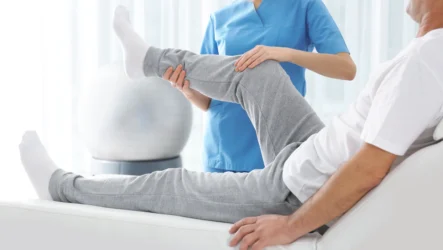
Physical therapy is a structured, non-surgical path to recovery that helps athletes rebuild strength, restore movement, and get back to activity safely. Whether the injury happened during a game or developed over time, the right rehabilitation program directly affects how quickly and fully a person recovers.
How Physical Therapy Helps Athletes Recover Safely
Sports injuries rarely affect just one aspect of the body. Muscles, joints, ligaments, and nerves are often involved simultaneously, which means recovery requires more than rest alone. Without guided rehabilitation, the body can develop stiffness, compensatory movement habits, or persistent weakness that prolongs recovery or creates new problems over time.
Starting physical therapy at the right time matters. Early intervention allows patients to maintain more of their baseline strength and range of motion, which makes the overall recovery process smoother and more predictable.
Common Conditions Treated in Sports Medicine Therapy
Physical therapy addresses both sudden injuries and conditions that develop gradually from repetitive stress. Athletes at every level, including recreational, competitive, or professional, can benefit from targeted rehabilitation. Some of the most frequently treated conditions include:
- Sprains and strains: Ligament or muscle injuries that limit stability and movement.
- Tendon irritation: Repetitive stress injuries affecting tendons and surrounding tissue.
- Joint instability: Shoulder, knee, and ankle problems that affect balance and control.
- Post-surgical recovery: Rehabilitation following procedures such as ligament repair.
- Overuse injuries: Conditions caused by repetitive motion without adequate recovery time.
Each of these conditions calls for a different approach. Treatment plans are tailored to the specific injury, the patient’s activity level, and their recovery goals.
Core Objectives of Physical Therapy in Sports Medicine
Rehabilitation follows a progression, from managing immediate pain to rebuilding full function. These are the primary goals that guide the process:
- Pain management: Reducing discomfort and irritation to allow movement without aggravation.
- Mobility improvement: Restoring joint range of motion and flexibility.
- Strength development: Supporting the muscles that stabilize joints and absorb stress.
- Functional training: Preparing the body for sport-specific movements.
- Reinjury prevention: Identifying and correcting movement patterns that increase risk.
Addressing each of these areas helps to ensure recovery is complete and lasting, not just temporary.
Techniques Used to Restore Strength and Movement
No single method works for every injury. Physical therapy draws from multiple treatment approaches, selecting and adjusting techniques as the patient progresses through recovery. Common methods include:
- Manual therapy: Hands-on treatment to improve joint and soft tissue mobility.
- Therapeutic exercise: Guided movements designed to build strength and flexibility.
- Neuromuscular training: Improving coordination and body control.
- Movement analysis: Identifying inefficiencies in how the body moves.
- Supportive modalities: Techniques such as electrical stimulation or therapeutic ultrasound.
These approaches are adjusted over time as the body heals, creating a treatment plan that evolves with the patient.
Why Proper Movement Mechanics Matter
Many sports injuries are not the result of a single dramatic event. They develop because of how the body moves over time. Repetitive stress on joints and muscles from inefficient patterns gradually breaks down tissue, often before any obvious pain appears.
Physical therapy evaluates movement during activities like running, lifting, and changing direction. This helps identify where the body is placing excessive strain on specific structures. Correcting those patterns can reduce strain on joints and soft tissue and improve overall athletic performance. It can also increase movement efficiency and even lower the likelihood of recurring injuries.
This focus on mechanics turns recovery into a long-term investment, not just short-term relief.
Preventing Future Injuries Through Therapy in San Antonio
Physical therapy does not stop at recovery. It also serves a proactive purpose, helping athletes address vulnerabilities before an injury happens. Preventive programs often include:
- Strength training that targets muscle groups to support and protect joints
- Flexibility work to maintain range of motion and reduce strain during activity
- Balance exercises to build the stability and coordination needed for quick, reactive movements
- Sport-specific drills that reinforce safe movement patterns tied to actual athletic demands
Athletes who incorporate these strategies regularly tend to see fewer setbacks and perform more consistently over time.
When to Begin Physical Therapy After an Injury
The timing of when therapy begins can significantly affect outcomes. Waiting too long after an injury may lead to:
- Reduced mobility from stiffness that sets in during the healing process
- Muscle weakness from extended inactivity
- Compensatory patterns that create problems in other areas of the body
- Longer overall recovery timelines
An evaluation helps determine the safest and most effective starting point based on the type and severity of the injury.
Returning to Sports with Confidence
Deciding when it is safe to return to activity is one of the most consequential parts of sports medicine recovery. Going back too soon raises the risk of reinjury and can extend the total time away from sport.
A structured progression guides the return-to-sport process and may include:
- Gradual increases in activity intensity
- Strength benchmarks to assess joint stability
- Functional testing to assess overall readiness
- Sport-specific drills that replicate real competitive conditions
This step-by-step process helps confirm the body is genuinely ready before returning to competition or training.
Personalized Care Built Around You
No two injuries are identical, and treatment should reflect that. A personalized plan accounts for the specifics of each patient’s situation rather than applying a one-size-fits-all protocol. Factors that influence individual treatment plans include:
- Type and severity of the injury
- Sport demands and activity level
- Previous injury history
- Current strength and flexibility levels
Working with trained providers means your care is targeted and built around your long-term performance, not just the immediate problem.
Start Your Recovery with the Right Support
Physical therapy is a foundational part of sports medicine that helps patients recover, rebuild strength, and return to activity without taking unnecessary risks. With the right plan, many injuries can be addressed without surgery while still achieving strong, lasting results.
At Pain & Spine Physicians of San Antonio, we take an individualized approach that focuses on your recovery, athletic performance, and long-term health. Our team uses proven techniques and a multi-step strategy to address even difficult-to-treat conditions.
Call (210) 634-1232 or contact us online to schedule your evaluation and take the next step toward getting back to the sports you enjoy.
Educational Videos
Click On The Links Below To Watch Educational Videos


Book An Appointment
Fields Marked With An ” *” Are Required
1804 NE Interstate 410 Loop Ste 101
San Antonio, TX 78217
*This Site Follows The Standards And Practices Of HIPAA Compliance Laws*

© Copyright 2026 Pain & Spine Physicians of San Antonio. All rights reserved.
