
What Is Deep Vein Thrombosis?
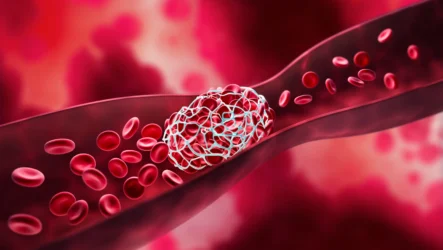
Deep vein thrombosis (DVT) is a condition in which a blood clot forms in a deep vein, most commonly in the leg. This can disrupt normal blood flow and create serious complications if the clot blocks circulation or travels to the lungs, where it can become life-threatening.
How a DVT Disrupts Blood Flow
Deep veins carry blood from the limbs back to the heart. When a clot, also known as a DVT, forms in one of these veins, blood flow slows or becomes blocked entirely. This can cause pressure to build in the vein and surrounding tissues.
Most cases involve veins in the lower leg or thigh, though clots can also develop in the pelvis or upper extremities. The primary concern is not only the blockage itself but also the possibility that part of the clot may detach and travel through the bloodstream to the lungs, causing a pulmonary embolism, a potentially life-threatening emergency.
Why Deep Vein Thrombosis Develops
DVT typically develops when normal blood flow is disrupted or when blood becomes more prone to clotting. This often results from a combination of factors rather than a single cause.
Common contributors include reduced movement, inflammation, vessel injury, and changes in blood chemistry. Situations that slow blood flow in the legs increase the opportunity for clot formation, and the risk is often higher when multiple contributing factors occur at the same time.
Common Signs and Symptoms of DVT
Deep vein thrombosis does not always cause noticeable symptoms. When symptoms do occur, they typically affect only one limb and may develop gradually.
Possible warning signs include:
- Swelling in the calf, ankle, or thigh without an apparent injury
- Pain or tenderness that may feel like cramping or deep soreness
- Warmth in the affected area compared to the opposite limb
- Skin discoloration, redness, or a bluish tone
- Discomfort that worsens when standing or walking
In some cases, symptoms may not appear until a clot has already moved to the lungs.
Symptoms That Require Emergency Attention
If a clot travels to the lungs, it can cause a pulmonary embolism that requires immediate medical attention. Emergency symptoms include:
- Sudden shortness of breath
- Sharp chest pain, especially with breathing
- Rapid or irregular heartbeat
- Dizziness or fainting
- Coughing up blood
These symptoms may indicate that a clot may have traveled from the vein to the lungs.
How Deep Vein Thrombosis Is Diagnosed
Because DVT symptoms can resemble muscle strains or joint issues, imaging and clinical testing are often required to confirm the condition.
Ultrasound imaging is commonly used to evaluate blood flow and venous compression. Blood tests may help assess clotting activity but are not diagnostic on their own. Early evaluation is important because untreated clots may enlarge or lead to serious complications.
Potential Complications of Deep Vein Thrombosis
The most serious complication of DVT is pulmonary embolism. Even when a clot does not travel, long-term vein damage can still occur.
One possible outcome is post-thrombotic syndrome, which may cause:
- Chronic leg swelling
- Ongoing pain or heaviness
- Skin discoloration or thickening
- Reduced mobility and endurance
These effects can persist long after the initial clot has resolved.
Who Is at Higher Risk for Deep Vein Thrombosis?
Certain conditions and situations increase the likelihood of developing DVT.
Higher-risk factors include:
- Prolonged immobility, such as extended travel or bed rest
- Recent surgery, hospitalization, or traumatic injury
- Limited movement during recovery
- Increasing age
- Obesity
- Smoking
- Pregnancy and postpartum changes
- Hormone-based medications
- A personal or family history of blood clots
Risk increases when several of these factors overlap.
When Evaluation Should Not Be Delayed
Unexplained leg swelling, persistent pain, or warmth should be evaluated, particularly when risk factors are present. Waiting for symptoms to worsen can increase the likelihood of complications. Prompt assessment by our providers enables earlier intervention and reduces the risk of long-term vein damage.
Support for Vascular and Circulation-Related Concerns
At Pain & Spine Physicians of San Antonio, our providers evaluate and help manage patients with suspected or confirmed DVT. If you have concerns about leg pain, swelling, changes in circulation, or unexplained symptoms that could relate to clotting or vascular strain, professional evaluation is warranted. For guidance on evaluation and treatment options, call (210) 634-1232 or contact us online.
Educational Videos
Click On The Links Below To Watch Educational Videos


Book An Appointment
Fields Marked With An ” *” Are Required
1804 NE Interstate 410 Loop Ste 101
San Antonio, TX 78217
*This Site Follows The Standards And Practices Of HIPAA Compliance Laws*

© Copyright 2026 Pain & Spine Physicians of San Antonio. All rights reserved.
