Signs a Nerve Block is Wearing Off
A nerve block is a common and highly effective method used to manage pain after surgery, injury, or certain chronic conditions. It works by delivering anesthetic medication near specific nerves, temporarily interrupting pain signals between the affected area and the brain.
At Pain & Spine Physicians of San Antonio, nerve blocks are often used to provide targeted pain relief, allowing patients to recover comfortably and safely. However, these effects are temporary, and as the medication begins to wear off, patients may start to notice gradual changes in sensation and comfort levels. If you begin feeling pain after your nerve block, our team can help guide you through the transition. Call (210) 634-1232 to speak with a representative from our office today.
Understanding How a Nerve Block Works
A nerve block uses local anesthetics, sometimes combined with steroids or other agents, to numb a specific area of the body. Depending on the medication used, the location of the injection, and individual factors such as metabolism, a nerve block may last anywhere from a few hours to more than a full day. Once the anesthetic is metabolized and absorbed by the body, normal nerve activity gradually returns.
Recognizing the signs that your nerve block is wearing off helps you prepare for the return of sensation and pain, allowing you to take appropriate medication or use other pain management strategies before discomfort escalates.
Common Signs That a Nerve Block Is Wearing Off
Gradual Return of Sensation
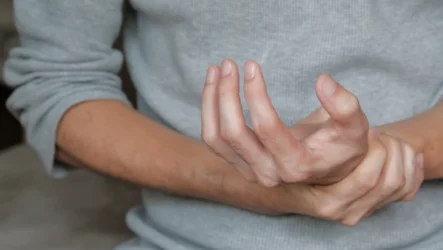
The earliest sign is usually a tingling or “pins and needles” feeling in the area that was previously numb. This sensation often starts subtly and becomes stronger over time. It indicates that the nerves are beginning to regain function as the anesthetic effect fades.
Muscle Control Returning
If your nerve block affected a limb or major muscle group, you may notice improved ability to move or contract muscles that were previously weak or immobile. For example, after a shoulder or leg nerve block, you might start to wiggle your fingers or toes again.
Warmth and Tingling Transitioning to Normal Feeling
Some patients experience warmth, heaviness, or a mild “buzzing” as the block dissipates. This transition phase is temporary and typically means the nerves are resuming normal function.
Mild Discomfort or Sensitivity
As feeling returns, you may notice mild soreness or sensitivity to touch. This can occur before significant pain returns, serving as a warning sign that the nerve block is wearing off. Taking prescribed oral pain medication at this stage can help prevent breakthrough pain.
Return of Pain
Eventually, the main indication that your nerve block has fully worn off is the return of pain in the treated area. The intensity may vary depending on the underlying condition or procedure, but it often starts as a dull ache that increases in strength. Communicating with your healthcare provider at this stage ensures that your pain management plan remains effective and tailored to your needs.
What to Do When the Nerve Block Wears Off
When you start noticing these signs, it’s essential to follow the pain control instructions given by your physician. Many patients are advised to take their first dose of oral pain medication before the block completely wears off to avoid sudden discomfort. Applying ice packs, resting the affected limb, and avoiding strenuous movements can also help manage the transition position.
If your pain returns suddenly, feels severe, or is accompanied by unusual symptoms like swelling, redness, or fever, contact your doctor right away. These could indicate an adverse reaction or another underlying issue that needs attention.
Contact Pain & Spine Physicians of San Antonio For Pain Relief
Our team ensures that every nerve block is administered safely and followed by a comprehensive pain management plan tailored to each patient’s needs. We closely monitor each patient to ensure a smooth and comfortable recovery, as well as support long-term relief from chronic or post-surgical pain.
If you have questions about your nerve block or need additional support, call (210) 634-1232 or contact us online to schedule a follow-up visit.
Educational Videos
Click On The Links Below To Watch Educational Videos


Book An Appointment
Fields Marked With An ” *” Are Required
1804 NE Interstate 410 Loop Ste 101
San Antonio, TX 78217
*This Site Follows The Standards And Practices Of HIPAA Compliance Laws*

© Copyright 2026 Pain & Spine Physicians of San Antonio. All rights reserved.
