
What Does A Pain Management Doctor Do?

At Pain & Spine Physicians of San Antonio, many of the individuals we meet are searching for answers. Chronic pain can disrupt every part of your life: your work, your sleep, your mobility, your relationships, and your sense of normalcy.
A pain management doctor is trained to evaluate, diagnose, and treat pain conditions using a wide range of medical, interventional, and rehabilitative strategies. Our role is to help you understand the source of your symptoms and develop a treatment plan that supports function and long-term wellness. If you are experiencing persistent pain, we invite you to contact our team at (210) 634-1232.
Understanding the Role of a Pain Management Doctor
A pain management doctor is a physician with advanced training in diagnosing the underlying causes of pain, musculoskeletal, neurological, spinal, systemic, or injury-related, and forming a personalized plan to reduce symptoms and improve quality of life. We look beyond the surface level to understand how your pain developed, how it affects your body, and which treatments offer the most meaningful potential for relief.
Pain medicine brings together several disciplines, including anesthesiology, physical medicine and rehabilitation, neurology, and orthopedics. That allows us to approach your condition from multiple angles, ensuring your plan is thorough, measured, and evidence-based.
Comprehensive Evaluation and Diagnosis
The first thing a pain management doctor does is evaluate the source of your pain. Because two people may experience the same symptom for completely different reasons, accurate diagnosis is essential.
A complete evaluation may include:
- Reviewing your medical history and previous imaging
- Discussing how long the pain has been present, what makes it better or worse, and how it impacts your daily activities
- Performing a physical exam to evaluate mobility, strength, nerve function, and pain patterns
- Ordering diagnostic tests such as X-rays, MRIs, CT scans, nerve conduction studies, or diagnostic injections
This step is more than identifying a condition; it is about understanding the full picture of your health. Your treatment plan is built on this foundation.
Creating an Individualized Treatment Plan
Once we determine what is causing your pain, the next role of a pain management doctor is to create a plan tailored to your condition, your symptoms, and your goals. No two patients receive the same treatment because no two pain experiences are exactly alike.
A customized plan may include:
- Interventional procedures
- Medication management
- Physical therapy or movement-based care
- Lifestyle recommendations
- Home exercise programs
- Complementary therapies
At Pain & Spine Physicians of San Antonio, we regularly reassess your plan to measure progress and make adjustments to help ensure you continue moving forward.
Interventional Pain Treatments
A significant part of what a pain management doctor does involves performing advanced interventional procedures designed to treat pain at its source. These minimally invasive treatments may reduce inflammation, calm irritated nerves, improve mobility, or interrupt pain signals.
Common interventional options include:
Epidural Steroid Injections
These injections place anti-inflammatory medication near compressed or irritated nerves, often used for sciatica, herniated discs, and spinal stenosis.
Facet Joint and Medial Branch Blocks
These injections target the small joints along the spine that may cause chronic back or neck pain.
Radiofrequency Ablation (RFA)
RFA uses heat to interrupt nerve signals responsible for pain. When appropriate, this technique offers longer-lasting relief for arthritis-related spine pain.
Sacroiliac (SI) Joint Injections
These injections help diagnose and treat inflammation in the joint connecting the spine to the pelvis.
Trigger Point Injections
These injections treat painful muscle knots that contribute to tension headaches, neck pain, or back pain.
Interventional procedures allow patients to regain mobility, participate in physical therapy, or return to activities they previously avoided because of pain.
Medication Management
A pain management doctor also oversees medication therapy with a thoughtful, conservative approach. The goal is always to use the lowest effective dose of any medication and to select treatments that support long-term stability, function, and safety.
Medication options may include:
- Anti-inflammatories
- Muscle relaxants
- Neuropathic pain medications
- Topical treatments
Each medication plan is monitored closely to ensure it is appropriate and beneficial. If something is no longer effective or needed, we adjust the therapy accordingly.
Restoring Mobility Through Physical and Functional Rehabilitation
Pain management is not about masking symptoms; it is about improving function. That is why rehabilitation is often part of a comprehensive treatment plan.
A pain management doctor coordinates with physical therapists, trainers, or rehabilitation specialists to help you:
- Strengthen weak muscles
- Improve flexibility
- Restore joint stability
- Correct movement or posture patterns that contribute to pain
- Build endurance and reduce flare-ups
Progress is gradual, but over time, these therapies help many patients regain independence and confidence in their bodies.
Managing Chronic Conditions and Long-Term Pain
Chronic pain conditions such as arthritis, degenerative spine disease, neuropathy, and post-surgical pain often require ongoing management. A pain management doctor provides long-term support through monitoring, adjustments, and new strategies as your condition changes.
This continuity of care ensures that your pain plan evolves with your health needs, something that is especially important when dealing with chronic or progressive conditions.
Patient Education and Preventive Guidance
A significant aspect of our role is education. We help you understand your diagnosis, why treatments are recommended, and what you can do at home to support your progress. Patients who understand their condition are empowered to participate in their care and often experience better outcomes.
Preventive education may include:
- Ergonomic adjustments
- Stretching and strengthening exercises
- Lifestyle recommendations
- Techniques to prevent flare-ups or reinjury
Our goal is not only to treat pain but to help you maintain long-term spine and musculoskeletal health.
Coordinating Care With Other Specialists
Pain does not exist in isolation. A pain management doctor often collaborates with:
- Primary care providers
- Orthopedic surgeons
- Neurosurgeons
- Physical therapists
- Rheumatologists
- Mental health professionals
This team-based approach ensures that every part of your health is considered, especially when your condition may require care across multiple disciplines.
Contact Pain & Spine Physicians of San Antonio Today
Our team at Pain & Spine Physicians of San Antonio is committed to listening closely, understanding your goals, and delivering a thoughtful and structured approach to care.
If you are struggling with persistent pain and want to explore your treatment options, the team at Pain & Spine Physicians of San Antonio is here to support you. Call (210) 634-1232 or contact us online to schedule an appointment. We are ready to help you take the next step toward meaningful relief and improved quality of life.
Educational Videos
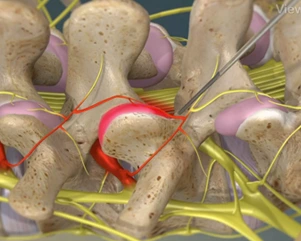
Click On The Links Below To Watch Educational Videos


Book An Appointment
Fields Marked With An ” *” Are Required
1804 NE Interstate 410 Loop Ste 101
San Antonio, TX 78217
*This Site Follows The Standards And Practices Of HIPAA Compliance Laws*

© Copyright 2026 Pain & Spine Physicians of San Antonio. All rights reserved.
