
How To Tape a Knee for Stability & Pain
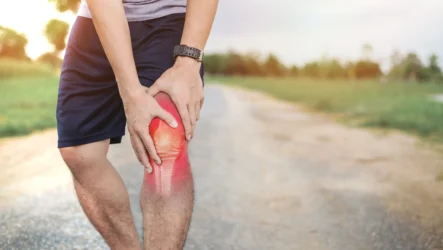
Taping a knee can provide short-term support and help reduce discomfort by easing stress on irritated tissues. Taping a knee typically involves placing adhesive athletic tape along and around the joint in specific patterns to support the kneecap or ligaments while allowing controlled movement. When done correctly, it may limit excessive movement and make everyday activities or exercise feel more manageable while the knee heals.
Knee taping can be especially useful for mild instability, overuse irritation, or temporary flare-ups. That said, it’s meant to be a supportive tool, not a long-term solution. It works best when paired with proper evaluation, activity adjustments, and a care plan that addresses the underlying cause of pain.
Why Knee Taping Can Help With Stability and Pain
The knee relies on a balance of muscles, ligaments, tendons, and joint surfaces to function smoothly. When that balance is disrupted by injury, overuse, or alignment issues, pain and instability often follow. Knee tape works by providing gentle external support and sensory feedback that helps guide movement.
Many patients report that knee tape:
- improves confidence during walking or activity
- reduces discomfort with stairs or prolonged standing
- offers short-term stability after minor injuries
- supports the knee during rehabilitation exercises
However, knee tape does not repair damaged structures.
The Different Types of Knee Tape
Before learning how to tape a knee, it helps to know which type of tape is appropriate for your situation. For example:
- Rigid athletic tape is designed to limit movement and provide firm support. It is often used in acute injury settings or athletic environments, but it can feel restrictive and is not ideal for long-term wear.
- Elastic tape, often referred to as kinesiology tape, is more flexible and allows for natural movement. Kinesiology taping for knee pain is commonly used to support muscles, reduce irritation, and improve comfort during daily activities.
For most patients managing mild pain or instability, elastic knee tape is the more comfortable and practical option.
Preparing Your Knee Before Applying Tape
Proper preparation improves both comfort and effectiveness. The skin should be clean and dry, free of oils or lotions that could prevent adhesion. If there is excessive hair, trimming may help reduce discomfort during removal.
Position the knee in a slightly bent, relaxed position. This helps ensure that the tape does not become overly tight when the knee moves. Never apply tape over open wounds, rashes, or irritated skin. If numbness, tingling, increased pain, or changes in skin color occur after taping, the tape should be removed immediately.
How to Tape a Knee for General Support
This basic method is commonly used for mild instability or general knee pain. Start by cutting two long strips of elastic knee tape and one shorter strip. Anchor the first long strip just below the kneecap on the inner side of the knee with no stretch. Gently guide the tape upward along the knee joint toward the thigh, applying light tension through the middle portion. Secure the end above the kneecap without stretching.
Repeat the process on the outer side of the knee to create a balanced support pattern. These strips help guide movement and improve joint awareness.
Place the shorter strip horizontally just below the kneecap, applying light tension in the center and no stretch at the ends. This can help reduce strain on the patellar tendon during walking or standing. Then, rub the tape gently after application to activate the adhesive and ensure it stays in place.
Strapping Knee With Tape for Added Stability
For patients who feel their knee may give way, strapping the knee with tape can provide additional support. After applying the vertical strips, add diagonal strips that cross the knee joint.
Begin below the knee on one side and angle upward across the joint toward the opposite thigh. Apply light to moderate tension through the middle of the strip, anchoring both ends without stretch. This pattern can improve lateral stability and is sometimes used during physical activity. The tape should feel supportive but never restrictive or painful.
Kinesiology Taping for Knee Pain and Swelling
Kinesiology taping for knee discomfort often focuses on muscle support and circulation rather than joint restriction. Longer elastic strips may be placed along the quadriceps muscle above the knee with minimal stretch. This approach may help reduce stiffness and improve comfort during movement.
Because kinesiology taping techniques vary based on the source of pain, improper placement may limit its effectiveness and should not replace proper evaluation.
Common Mistakes to Avoid When Using Knee Tape
One of the most common mistakes is pulling the tape too tight. Excessive tension can restrict circulation and increase discomfort, especially behind the knee. Wrinkles or uneven application can also irritate the skin during movement.
Another mistake is relying on knee tape for ongoing pain without evaluation. If symptoms persist or worsen, continued taping may delay appropriate diagnosis and treatment.
When Knee Taping Is Not Enough
Knee taping has limits. It does not fix structural problems such as cartilage damage, ligament injuries, joint degeneration, or significant alignment issues. If knee pain lasts more than a short period, worsens with activity, or begins to interfere with normal movement, taping alone is unlikely to resolve the problem.
In these situations, a medical evaluation is important to identify the underlying cause of pain and instability. Addressing the root issue allows treatment to focus on restoring function, protecting the joint, and preventing symptoms from becoming chronic rather than relying on temporary support measures.
Take the Next Step Toward Relief at Pain & Spine Physicians of San Antonio
If you are learning how to tape a knee but still experiencing pain or instability, it may be time for a deeper evaluation. Imaging, movement assessment, and targeted treatment can uncover issues that tape alone cannot resolve.
At Pain & Spine Physicians of San Antonio, our clinics offer modern facilities, experienced physicians, and cost-effective care through in-house capabilities. We work with patients throughout San Antonio who want clear answers and a plan focused on long-term improvement.
If knee discomfort is affecting your quality of life, Pain & Spine Physicians of San Antonio are ready to help. Call (210) 634-1232 today or contact us online to schedule an evaluation and take the next step toward improved stability, comfort, and mobility.
Educational Videos
Click On The Links Below To Watch Educational Videos



Book An Appointment
Fields Marked With An ” *” Are Required
1804 NE Interstate 410 Loop Ste 101
San Antonio, TX 78217
*This Site Follows The Standards And Practices Of HIPAA Compliance Laws*

© Copyright 2026 Pain & Spine Physicians of San Antonio. All rights reserved.
