
What Is the Difference Between a Discography and an MRI?
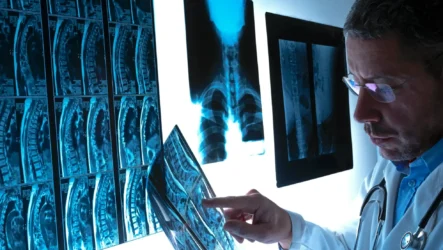
When back pain becomes chronic or difficult to diagnose, imaging and diagnostic procedures play an essential role in uncovering the actual cause. At Pain & Spine Physicians of San Antonio, we often use advanced tools such as MRI scans and discography studies to better evaluate spinal conditions and guide treatment.
While both tests provide valuable information, they serve very different purposes. Knowing the distinction can help patients understand why their physician may recommend one over the other. Call us today at 210-634-1232 if you are experiencing persistent spine or back pain.
MRI: A Detailed Picture of the Spine
Magnetic Resonance Imaging (MRI) is a non-invasive imaging test that uses a magnetic field and radio waves to create detailed pictures of the spine’s bones, discs, nerves, and surrounding soft tissues. An MRI is often the first advanced study recommended for people with persistent back pain because it can:
- Identify herniated or bulging discs
- Show spinal stenosis (narrowing of the spinal canal)
- Reveal degenerative disc disease
- Detect inflammation, tumors, or infections
The biggest advantage of an MRI is that it provides a comprehensive look at spinal anatomy without the need for needles or injections. However, MRIs can only show structural changes—they do not always indicate whether a specific disc is the actual source of pain. For example, many people have bulging discs on MRI but never experience symptoms.
Discography: Pinpointing the Pain Source
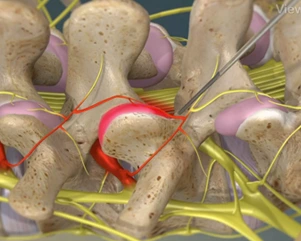
A discography (also called a discogram) is a diagnostic procedure designed to identify which disc in the spine is generating pain. Unlike an MRI, which takes pictures, discography is an interventional test:
- Under fluoroscopic (X-ray) guidance, a physician inserts a needle into one or more discs.
- A contrast dye is injected into the disc to pressurize it.
- The physician evaluates both the structure of the disc and the patient’s response to the injection.
If the injection reproduces the patient’s typical pain, that disc is identified as a potential source of pain. If no pain occurs, the disc may not be the source of the problem, even if it looks abnormal on an MRI.
Discography is typically reserved for patients with severe, unexplained back pain who may be candidates for advanced treatments such as spinal procedures like fusion or disc replacement.
Key Differences Between MRI and Discography
- Purpose: MRI shows anatomy and structure, while discography identifies pain-generating discs.
- Method: MRI is non-invasive, while discography involves an injection.
- Usefulness: MRI detects abnormalities, but discography determines whether those abnormalities are causing symptoms.
- Role in Care: MRI is often the first test; discography is used when further clarification is needed for surgical or interventional planning.
Choosing the Right Test
At Pain & Spine Physicians of San Antonio, we may use both MRI and discography depending on the complexity of your condition. MRI provides the roadmap, while discography helps confirm which “stop” on that map is truly responsible for your pain.
If you are struggling with ongoing back pain and want answers, call (210) 634-1232 or contact us online to schedule an evaluation today.
Educational Videos
Click On The Links Below To Watch Educational Videos



Book An Appointment
Fields Marked With An ” *” Are Required
1804 NE Interstate 410 Loop Ste 101
San Antonio, TX 78217
*This Site Follows The Standards And Practices Of HIPAA Compliance Laws*

© Copyright 2026 Pain & Spine Physicians of San Antonio. All rights reserved.
